
Quote template
Independent Contractor Quote Template
Download our Independent Contractor Quote Template to streamline your invoicing process. Create professional quotes, add material costs and labor costs, and ensure accuracy with every quote total.
Trusted by teams at










Independent Contractor Quote Template
You can create free job quote templates and independent contractor quotes automatically from Google Sheets in a few easy steps. It is simple to use Portant as a freelance quote template or service quote, which contains various important elements like your business name, unique quote numbers, and payment terms. After you've opened Portant Workflow, select your Google Sheet, then connect a Google Docs quote template, customize your professional quote with column tags, and attach it to an email. Finally, click 'Start automation.' Voila! You’ve automated your independent contractor quotes from Google Sheets!
We understand how tedious and time-consuming it can be to create free quotes manually—copying and pasting data, double-checking client information and line items, and finally saving it as a PDF quote to send to clients. This manual process is often filled with chances for embarrassing mistakes and missing details. That's why we've come to the rescue.
With Portant, you can automatically generate service quotes and invoices from Google Sheets with just a few clicks. Additionally, you can customize the email content and sender address (e.g., accounts@portant.co) to add a more personal touch and professionalism. Setting your quotes on autopilot will not only save time but also reduce errors, giving you more time to focus on important aspects of your construction business, like managing labor costs and associated costs, ensuring that all essential information is included, and providing prospective clients with a clear total cost for the project.
How to Automate Your Job and Independent Contractor Quotes

Step 1
Open Sheet
Select the Google Sheet you want to use as the data source for your quotes. Portant connects directly to your spreadsheet to pull in the data it needs.

Step 2
Connect Template
Connect your Google Docs, Slides, or Sheets quote template. Portant will link it to your spreadsheet data source so it knows which fields to merge.

Step 3
Customize
Customize your quote with merge tags like {{Contact Name}}, {{Line Items}}, and {{Total}}. Format it with your branding, colours, and layout.

Step 4
Create
Create quotes automatically when new rows are added to your sheet, or generate them manually in batches. Send via email or save to Google Drive.
How to automate your independent contractor quotes with a professional quote template
Step 1
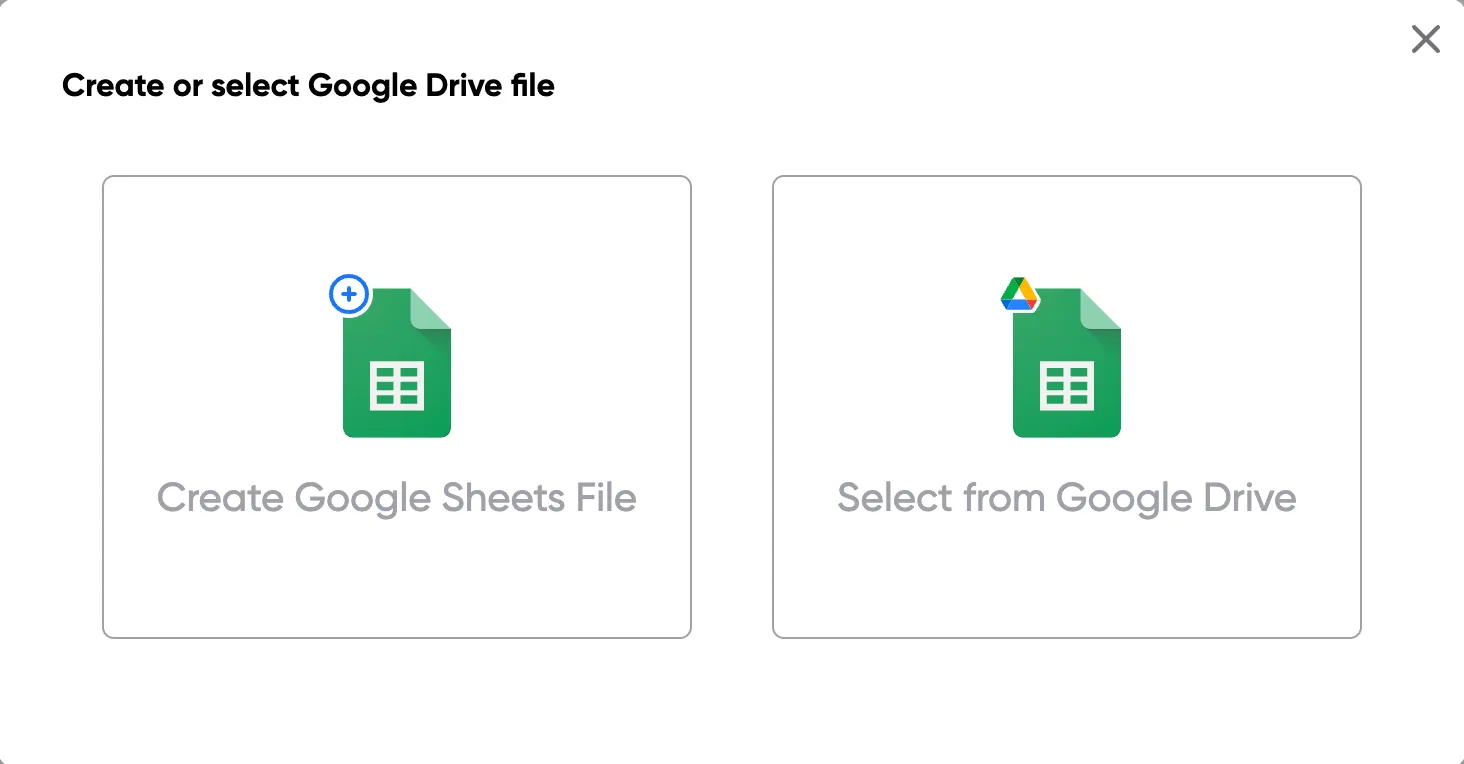
Step 1: Open a Google Sheet
Open a Google Sheet that contains the data for your quotes. This could include customer details, product names, quantities, pricing, and discount information. Create a new sheet if you don't have one yet.
Step 2
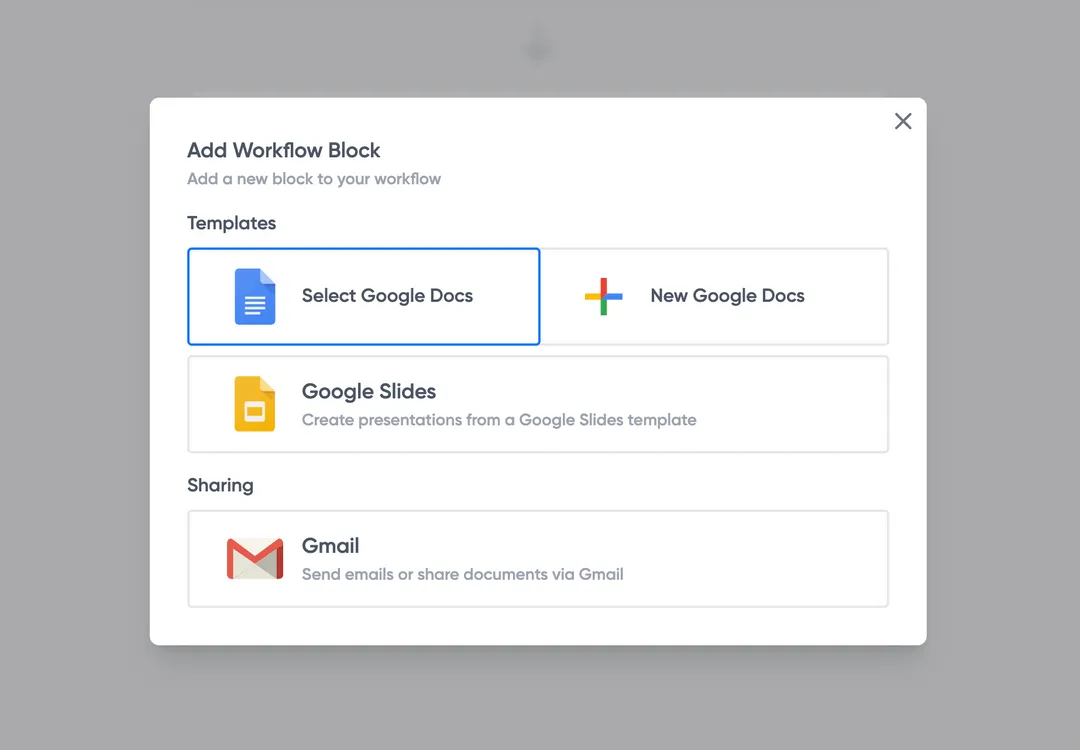
Step 2: Connect your quote template
Open the Portant add-on and connect your Google Docs or Slides quote template. Portant will scan for merge tags and match them to your sheet columns automatically.
Step 3
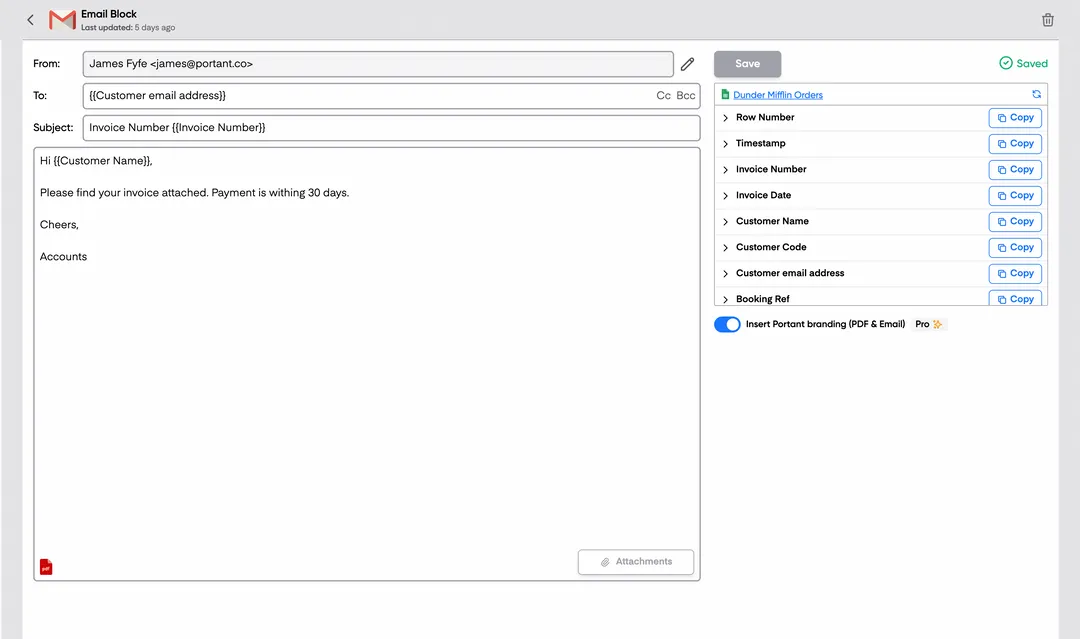
Step 3: Customize your output
Choose how your quotes are delivered. Send them directly to customers via email, save as PDFs to Google Drive, or both. Add merge tags to the email subject and body for a personal touch.
Step 4
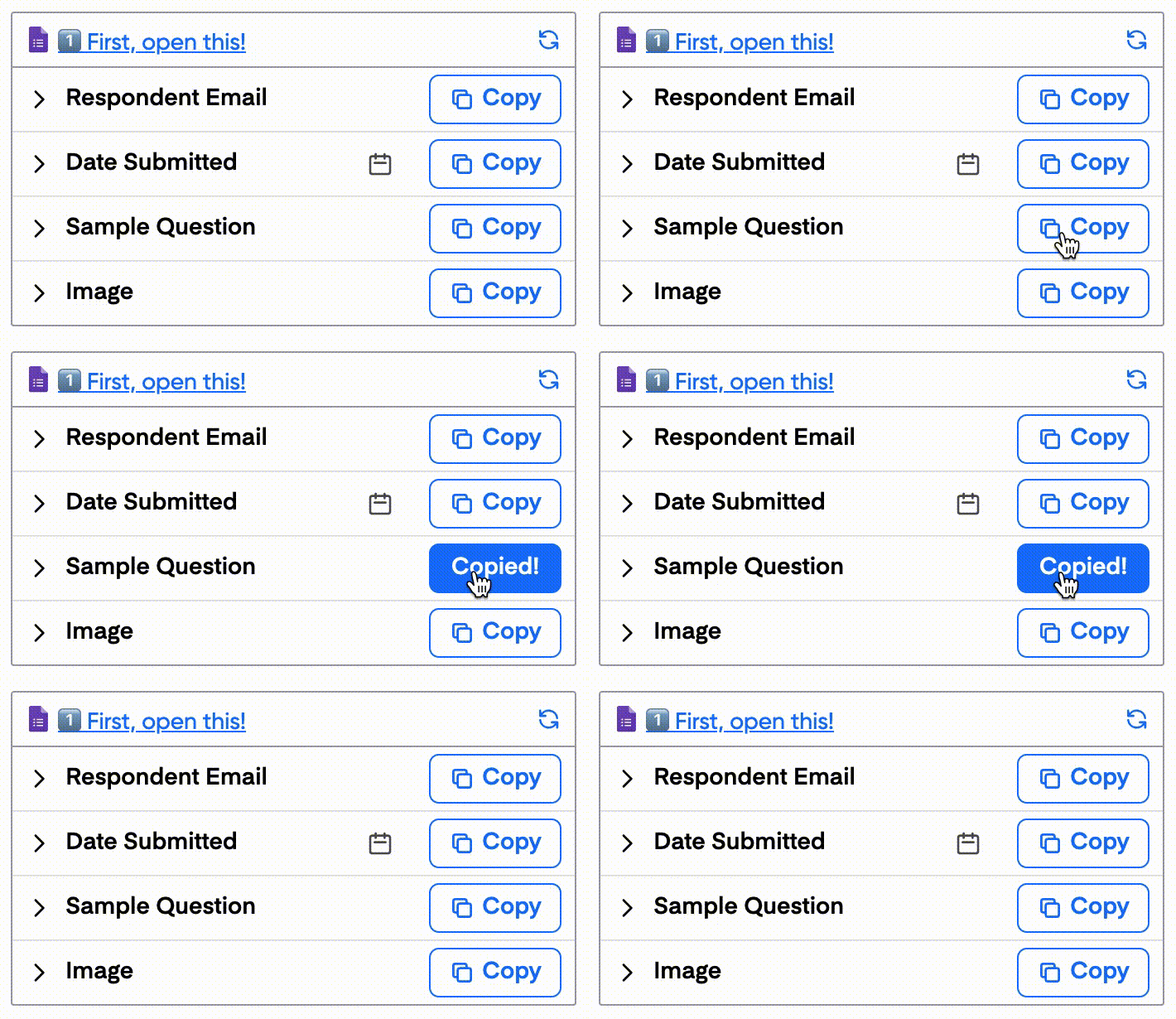
Step 4: Automate your quotes
Turn on auto-create to generate quotes every time a new row is added. Run the workflow manually for batch processing, or schedule it to run at specific intervals.
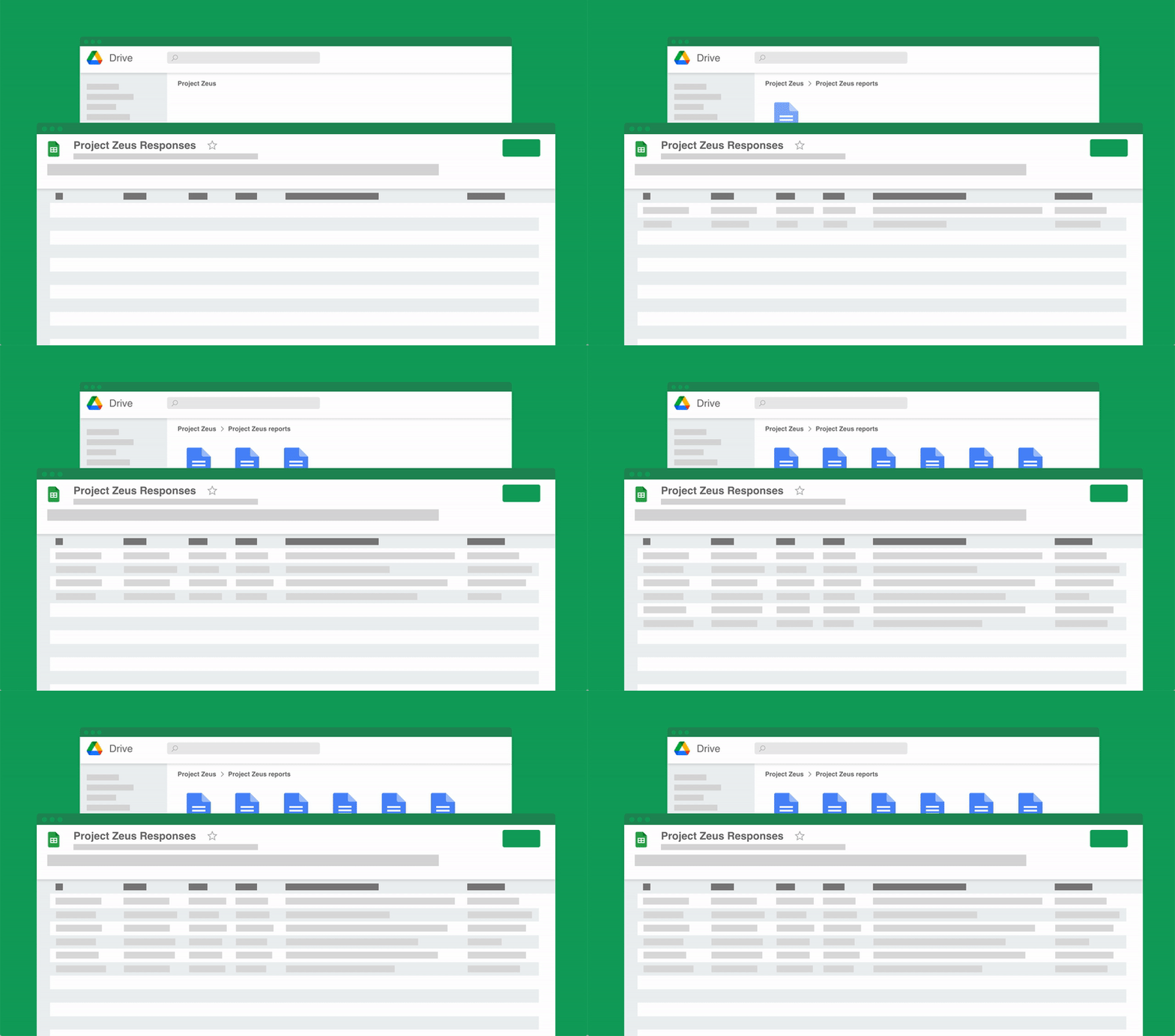
Eliminate unnecessary manual work
Stop spending hours copying and pasting data from spreadsheets into documents. Portant automates the entire process, pulling data directly from your source and generating completed documents in seconds. Focus on the work that matters, not repetitive formatting tasks.
Make your documents more accurate
Manual document creation leads to errors, from wrong names to outdated figures. Portant maps data fields directly to your template, eliminating typos and ensuring every document is accurate and consistent. Your team sends fewer corrections and your clients get the right information every time.
Built into Google Workspace
Portant works natively with Google Docs, Sheets, Slides, and Gmail. There is no new interface to learn, no data to export, and no switching between tools. Your team stays in the apps they already use while Portant handles the document generation in the background.
What teams say about Portant
“Portant has been a game-changer for Clipboard! It's saved our sales team countless hours every week by generating order forms, proposals and contracts with info from HubSpot automatically filled in.”
“This product is a gamechanger for all of those painful manual document merges. Love what you and the team have built!”
“This software brilliantly takes over the tedious process of creating and sending invoices. This not only saves time but massively reduces errors of data entry.”
“Love this product. Have been using it for over a year and the integration to Google Workspace is awesome. Lots of credit for listening to your users!”
“Truly a gamechanger! Portant streamlines these tasks and allows me to focus on the things that require my attention and problem-solving!”
“Portant has been a game-changer for Clipboard! It's saved our sales team countless hours every week by generating order forms, proposals and contracts with info from HubSpot automatically filled in.”
“This product is a gamechanger for all of those painful manual document merges. Love what you and the team have built!”
“This software brilliantly takes over the tedious process of creating and sending invoices. This not only saves time but massively reduces errors of data entry.”
“Love this product. Have been using it for over a year and the integration to Google Workspace is awesome. Lots of credit for listening to your users!”
“Truly a gamechanger! Portant streamlines these tasks and allows me to focus on the things that require my attention and problem-solving!”
Frequently asked questions
A comprehensive quote template should include the contractor’s contact details and the client’s information. A detailed breakdown of labor costs, material costs, and any other associated costs is also crucial. Each template should also contain a quote number for tracking, project timeline, and payment terms. A professionally designed free contractor estimate template can be easily customized to suit the specific needs of a contractor business and construction company alike. The inclusion of a company logo isn’t always necessary, as you may choose to brand the document in other ways.
A comprehensive independent contractor quote template should include the contractor’s contact information, client details, a detailed description of services, an itemized list of material and labor costs, project timelines, payment terms, and any additional notes relevant to the project. Including a quote number is essential to track each job quote and keep things organized.
Independent contractors benefit greatly from using a free contractor estimate template because it provides easy customization for specific projects and project details. With an easy-to-use template, contractors can create a detailed description of the project scope, labor costs, and material costs. This reduces manual work while maintaining accuracy, ensuring that the client understands what services will be provided. A professional contractor quote template allows contractors to build a strong positive reputation with potential customers and clients in both residential and construction projects.
An independent contractor quote template gives a cost estimate of the project based on labor and material costs and other line items, while a proposal provides a more detailed explanation of the specific project and other services. A proposal might include a breakdown of the construction work, expected timeline, and service provider qualifications. The main difference is that the quote focuses on pricing, while the proposal elaborates on how the project will be carried out, helping construction companies and contractor businesses to differentiate their specific services.
When a client requests changes, you should carefully review the project details and associated costs like labor costs and unit prices. If necessary, adjust the cost estimate for the specific project and make sure to update the project timeline. Double-check the client's requested changes to ensure accuracy. Providing an updated free contractor estimate template can help ensure the client understands all the new terms. This way, the client gets an accurate quote with revised pricing and specific services.
An independent contractor quote template is used at the beginning of a specific project to propose a cost estimate based on unit prices for labor costs and materials required. It outlines the specific project before work begins, while an invoice is sent after the job is completed, requesting payment. An invoice reflects the actual final price for the work done. Using a quote template and invoice together ensures clarity for the customer and keeps all project details organized. Additionally, a well-designed free contractor estimate template can reduce errors when transitioning to the invoice stage.
Yes, taxes can and should be included in a free contractor estimate template. Associated costs like taxes, insurance, or additional fees can be itemized clearly. Specify whether unit prices are inclusive or exclusive of taxes to avoid confusion. This way, the client has a clear understanding of the total pricing of the project. Incorporating taxes ensures that your quote reflects all associated costs so there are no surprises later in the construction project.
Including a validity period in your free contractor estimate template is essential. It ensures that your cost estimate for labor costs, material costs, and unit prices remains accurate over time, particularly if market prices for materials fluctuate. A validity period gives the client a window to make a decision, protecting the contractor business from unforeseen price increases in construction projects or other factors that could affect the final price.
Writing a contractor's quote involves several key components to ensure clarity, professionalism, and detailed information for both parties. Here’s a step-by-step guide:
- Contact Information:
- Include the contractor's business name, address, phone number, email, and website if applicable.
- Add the client's name and contact information.
- Quote Number and Date:
- Assign a unique quote number for tracking and reference.
- Specify the date the quote is issued and its expiration date.
- Project Description:
- Clearly describe the project scope, including specific tasks, materials, and services to be provided.
- Use simple language to avoid misunderstandings.
- Itemized Cost Breakdown:
- Provide a detailed list of costs, including labor, materials, equipment, and any other relevant expenses.
- Include tax if applicable.
- Timeline:
- Provide an estimated timeline, stating when the project will start and end.
- Mention any critical deadlines or phases in the project.
- Payment Terms:
- Describe payment terms, including deposit requirements, payment schedule, and acceptable payment methods.
- Clarify any late payment penalties or discounts for early payment.
- Terms and Conditions:
- Include any legal terms, obligations, warranties, or guarantees.
- Outline the process for change orders and how additional work or changes will be billed.
- Exclusions and Inclusions:
- Clearly state what is included in the quote and what is excluded.
- Mention any potential additional costs or responsibilities outside the initial scope.
- Acceptance Signature:
- Provide space for both contractor and client to sign and date, indicating acceptance of the quote terms.
- Additional Notes:
- Add any other relevant information or conditions specific to the project.
Using a contractor quote template can streamline this process, ensuring consistency and professionalism in your documentation.
Writing a freelance quotation involves clearly outlining the services you offer, the costs involved, and any specific terms or conditions. Here is a step-by-step guide to creating an effective freelance quotation:
- Introduce Your Services and Business Information:
- Start with your business name, logo, and contact information.
- Include the client's name and contact details.
- Mention the date of the quotation.
- Provide a Comprehensive Description of Services:
- List all the tasks or projects you will complete for the client.
- Describe each service thoroughly to avoid any confusion.
- Detail the Pricing Structure:
- Clearly itemize the cost for each service or task.
- Mention any additional fees such as materials or special services.
- Specify whether the prices are fixed or hourly rates.
- Include Timelines and Deadlines:
- State the duration required for each task.
- Provide overall project timelines and completion dates.
- Terms and Conditions:
- Outline payment terms such as deposits, due dates, and acceptable payment methods.
- Mention any penalties for late payments or changes in scope.
- Include terms related to changes in project scope.
- Add a Validity Period:
- Specify how long the quotation is valid. This encourages timely responses and minimizes outdated requests.
- Contact Information:
- Provide details on how the client can reach you for questions or clarifications.
- Optional Sections:
- Add testimonials or credentials if relevant, to build trust.
- Include a signature line for both parties to sign upon agreement.
By following these steps, you ensure clarity and professionalism, facilitating a smooth transaction process with your clients.
To write a contract quotation effectively, follow these steps:
- Header Information:
- Include your company name, logo, and contact information.
- Add the client's information, including their name, address, and contact details.
- Title:
- Clearly state the purpose of the document with a title such as "Contractor Quote" or "Construction Quote Template".
- Quote Number & Date:
- Assign a unique quote number for easy reference.
- Include the date the quote was created and an expiration date if applicable.
- Description of Services:
- Provide a detailed list of the services or tasks to be performed. Be specific about the scope of work to avoid any misunderstandings.
- Materials and Labor:
- List any materials required for the project along with their costs. If applicable, provide a breakdown of labor costs, showing hourly rates or totals.
- Cost Breakdown:
- Provide a comprehensive cost summary, including materials, labor, and any additional charges.
- Include any possible discounts or promotions that might apply.
- Terms and Conditions:
- Clearly state the terms and conditions of the service, including payment terms, deadlines, and dispute resolution procedures.
- Validity:
- Mention the validity period of the quotation to inform the client of how long the offer is available.
- Total Cost and Taxes:
- Present the total cost, including taxes or VAT if applicable, to give the client a clear final price.
- Additional Notes:
- Add any other relevant notes or conditions that might be specific to the project or client.
- Signature Line:
- Provide space for your signature and date, and also for the client's acceptance signature and date.
- Attachments:
- Attach any additional documents that provide further detail or justification for the quote, like a project timeline or subcontractor details if necessary.
Creating a professional quote template involves several key elements that ensure clarity, accuracy, and professionalism. Here's how to design one using the provided keywords:
1. Header Section:
- Include your business name, address, contact details, and logo at the top of the quote template for branding and recognition.
- Add "Quote" or "Quotation" prominently to distinguish it from other documents.
2. Client Information:
- Provide a section for client details including name, address, and contact information to ensure it’s directed at the right recipient.
3. Quote Details:
- Use headings like "Construction Quote Template," "Contractor Quote Form," or "Subcontractor Quote Template" as applicable to specify the type of quote.
- Assign a unique quote number and date for easy tracking and reference.
4. Project Description:
- Clearly describe the construction or contracting services being offered. Include details like scope of work, materials, and any deliverables using terms like "Material Quote Template" or "Construction Job Quote Template."
- Incorporate a section for additional notes or special requirements that might affect the quotation.
5. Itemized Costs:
- Break down the costs into categories such as labor, materials, and other expenses using terms like "Labor Quote Template" or "Builders Quote Template."
- Provide clear, itemized pricing to ensure transparency.
- Include a total cost at the bottom of the table to summarize the quote.
6. Terms and Conditions:
- Incorporate essential terms and conditions such as payment terms, validity of the quote, and delivery timelines.
- Use specific language to prevent misunderstandings and include clauses that protect both parties.
7. Acceptance Section:
- Provide a space for client signatures to confirm their acceptance of the quote, facilitating smooth transitions into project commencement.
8. Footer:
- Reiterate contact details for further inquiries or clarifications, ensuring accessibility.
Reference free resources or sample templates like "Free Contractor Quotes" or "Free Construction Quote Template" to get a better understanding or inspiration for formatting and styling.
To format a contractor quote example effectively, you can follow these steps using relevant keywords:
1. Header:
- Include your company name, logo, and contact information at the top of the construction quote form.
- Add a title such as "Contractor Quote Template" or "Construction Quote Template."
2. Client Information:
- Provide space for the client's name, address, and contact details, ensuring clarity and completeness.
3. Quote Number and Date:
- Assign a unique quote number and include the date of issuance to help track and reference the quote.
4. Project Description:
- Briefly describe the nature of the project or service the quote is covering, using specific terms like "remodeling quote template" or "building quote templates."
5. Itemized List of Services and Materials:
- List all the items or services to be provided, including a detailed description, quantity, unit price, and total cost.
- Use terms like "material quote template" or "builders quote template" for organization.
6. Cost Summary:
- Provide a subtotal for all services and materials.
- Include applicable taxes, discounts, or additional fees to compute the final quote amount.
7. Terms and Conditions:
- Outline the terms of service, including payment terms, timelines, and conditions for modifications or cancellations.
- Reference "contractor quote sheet" or "general contractor quote template" components as needed.
8. Signature Section:
- Allow space for both the contractor’s and client's signatures to confirm acceptance of the quote.
- The section should facilitate an agreement and understanding of the quoted terms.
9. Validity Period:
- Clearly state how long the quote is valid to prompt a timely response from the client.
By following this structured format and incorporating key elements, you can create a thorough and professional contractor quote that meets industry standards and client expectations.
Yes, there is a quote template available in Word, which can be particularly handy for contractors and freelancers who need to prepare professional quotes for their clients. Here are some ways to find and use quote templates in Word:
1. Built-in Templates:
- Open Microsoft Word.
- Click on ‘File,’ then select ‘New.’
- Use the search bar to type “quote” or “quotation template.”
- Browse through the available templates and select the one that best fits your needs.
2. Online Resources:
- Microsoft Office’s website offers a variety of templates, including contractor and freelance quote templates, which can be downloaded for free and used in Word.
- Other websites may also offer free downloadable Word templates for specific needs, such as construction quotes, remodeling quotes, and job quotes.
3. Customization:
- Once you’ve downloaded a template, you can customize it by adding your company’s logo, adjusting the layout to include necessary fields such as client information, detailed descriptions of goods or services, pricing, and terms and conditions.
- Save your customized template for future use to ensure consistency across all quotes.
4. Using a Template for Specific Industries:
- For construction companies, there are templates such as construction quote forms or construction job quote templates that are specially formatted to include fields relevant to construction projects.
- Freelancers can use templates like freelance quote templates or freelance project quotation templates tailored for project-based work.
5. Available Formats:
- If you are looking for a specific format like a Word template, you can search for "contractor quote template Word" to find options that are in the Word format, ready to be downloaded and edited.
These resources should help you prepare professional quotes efficiently, saving time and ensuring you present a polished image to your clients.
To create a quote in Microsoft Word, you can follow these steps:
- Open a New Document: Launch Microsoft Word and open a new blank document.
- Set Up the Document: Set the page layout, margins, and any necessary headers or footers.
- Insert a Header: You can include your company name, logo, contact information, and the title "Quote" at the top using the Header function.
- Add Client Details: Include client information such as name, address, and contact details at the top left corner.
- Quote Number & Date: Allocate a unique quote number for reference and add the date. These can be placed near the top right corner.
- Itemized List: Create a table to list the items or services being quoted. Include columns for:
- Description of work or material
- Quantity
- Unit price
- Total cost
- Calculate Totals: Include a row at the bottom of the table for subtotal, applicable taxes, and final total. Use Word’s table functions to automatically calculate these if needed.
- Terms and Conditions: At the bottom of the quote, add any terms and conditions. This might include payment terms, validity period of the quote, and any other relevant information.
- Signature Line: Leave space for a signature and date, to be filled by the client upon acceptance of the quote.
- Save the Template: To reuse the layout for future quotes, save the document as a template.
Using Microsoft Word’s template feature, you can save this setup, and it will be available to generate new quotes efficiently. This allows you to maintain consistency and professionalism across all client communications.
A quote template is a pre-designed format used by businesses to present a detailed estimate of the costs for products or services to a potential customer. It includes essential components that help in standardizing the process of creating quotes, ensuring consistency and professionalism. Key elements of a quote template often include:
- Contact Information: Details of both the business providing the quote and the customer receiving it.
- Quote Number: A unique identifier to track and reference the specific quote.
- Date: The date when the quote is issued.
- Itemized List: A detailed breakdown of the products or services being offered, including quantities, unit prices, and subtotal for each line item.
- Total Cost: The total amount that the customer would need to pay, sometimes including discounts, taxes, or additional fees.
- Terms and Conditions: Information on payment terms, validity period of the quote, and other relevant conditions.
- Notes or Special Instructions: Any additional information specific to the quote, such as delivery timelines or special considerations.
Using a quote template allows businesses to efficiently create accurate and professional-looking quotes, reducing manual errors and facilitating better communication with clients. There are various online platforms and software available that can help businesses create quotes and invoices, often offering templates to customize as needed. These templates can also streamline the process of converting a quote into an invoice once a customer accepts the terms, enhancing operational efficiency and customer experience.
Yes, Excel offers a variety of templates, including invoice templates. These templates are beneficial for independent contractors, subcontractors, freelancers, and construction professionals who need to generate quotes and invoices efficiently. Excel's templates can be customized to fit different needs, making it easier to prepare standardized documents.
Key features of Excel invoice templates include: - Pre-designed layouts for professional-looking invoices. - Editable fields to input specific details such as client information, services provided, cost breakdown, and total amounts. - Mathematical functions to automatically calculate subtotals, taxes, and total costs. - Customizable formats to suit your specific design preferences or business branding. - Multiple options that might include designs for different industries, such as construction, freelancing, or general contracting.
To access Excel's invoice templates: 1. Open Excel and go to the "File" menu. 2. Select "New" to open the template library. 3. In the search bar, type "invoice" to find various invoice templates. 4. Browse through the selection to find one that best suits your business needs. 5. Click on the chosen template to download and open it in Excel for customization.
These built-in templates can save time and ensure accuracy in billing clients, providing a streamlined way to manage financial paperwork.
To write a good quote format, consider the following components, which will ensure clarity and professionalism:
1. Company Information: Include your business name, logo, address, phone number, and email at the top of the document. This helps recipients quickly identify your business.
2. Client Information: Add the customer's name, company (if applicable), address, phone number, and email. This personalizes the document and clearly states who the quote is for.
3. Quote Number and Date: Assign a unique quote number for tracking purposes and include the date when the quote is issued.
4. Heading: Clearly label the document as a "Quotation" to distinguish it from other documents, like invoices.
5. Description of Products or Services: Provide a detailed list of the goods or services being offered. Be clear and specific to avoid misunderstandings.
6. Itemized Pricing: Break down the cost per item or service along with quantities, allowing the client to see the price structure.
7. Subtotal, Taxes, and Total: Calculate the subtotal, add applicable taxes, and provide the grand total. Break down taxes clearly to show transparency in pricing.
8. Terms and Conditions: Specify the terms and conditions, including payment terms, validity of the quote, and delivery timelines. If applicable, differentiate between a quotation and an invoice depending on when the payment is due.
9. Additional Notes: Include any other relevant details or options available for the client, like discounts or early payment incentives.
10. Contact Information: Provide a direct contact person who can answer any questions related to the quote. This could be a sales representative or account manager.
11. Acceptance Signature: Leave space for the client to sign and date the document as an acceptance of the quote. This is helpful for record-keeping and acknowledgment.
By including these elements, your quote will be comprehensive, professional, and effective in communicating your offer to potential clients.
To format a direct quote effectively, follow these guidelines:
1. Use Quotation Marks:
- Enclose the exact words of the source in quotation marks.
2. Cite the Source:
- Include an in-text citation with the author's last name and the page number (if applicable) immediately after the quote. For online sources without page numbers, include the paragraph number if possible.
3. Integrate into Your Text:
- Introduce the quote with a signal phrase that includes the author's name, and make sure the quote fits grammatically into your sentence.
4. Maintain the Original:
- Do not change the original text, including grammar or spelling, unless indicating with brackets for minor changes or ellipses for omitted sections.
5. Block Quotes:
- For quotes longer than four lines of prose or three lines of poetry, format as a block quote: start the quote on a new line, indented 0.5 inches from the left margin, without quotation marks.
6. Punctuation:
- Periods and commas that are part of the quote go inside the closing quotation mark; other punctuation marks such as colons and semicolons should be outside unless they are part of the quoted material.
7. Attribution:
- Always attribute the quote to the original author to avoid plagiarism and to give credit.
By adhering to these guidelines, you ensure that direct quotes are clearly identified and seamlessly integrated into your writing.
1. Open Microsoft Word and create a new document.
2. Save the document with a name that specifies its purpose, such as "Contractor Quote Template."
3. Start with a header: - Include your company name, logo, contact details (email, phone number, address). - Add "Quotation" or "Quote" as the title.
4. Include the quotation number and date: - These details help in record-keeping and referencing.
5. Add client details: - Name of the client/organization. - Client’s address and contact details.
6. Introduction or subject line: - Provide a brief explanation of the project or service to which the quote pertains.
7. List the scope of work: - Clearly outline the services or products to be provided. - Use bullet points or a numbered list for clarity.
8. Itemize the costs: - Break down the costs for each service or item. - Include descriptions, quantities, and individual prices. - Provide a subtotal, and if applicable, add taxes or additional fees.
9. Specify terms and conditions: - Payment terms (e.g., deposit required, payment due date). - Validity period of the quote. - Any warranties or guarantees.
10. Provide space for the client’s acceptance: - Include a section for the client to sign and date as an acknowledgment and acceptance of the quote.
11. Add any additional notes: - Include any extra information relevant to the quotation.
12. Review and finalize the quote: - Double-check all figures and details for accuracy. - Save and convert the Word document to PDF for secure sharing, if needed.
13. End with a thank you note: - Show appreciation for considering your business.
14. Save the document with the final changes.
Explore related templates
Design Quote Template
Copy our Design Quote Template, automate your quotes process, and create professional quotes using customizable templates.
View template Quote templatePrice Quote Template
Copy our Price Quote Template, automate your quotes with customizable templates like a service or business quote template, and create professional, accurate quotes quickly.
View template Quote templateQuote Invoice Template
Copy our Quote Invoice Template, automate your quoting process, and create professional quotes with customizable templates, including options for pricing, business logos, and service details.
View template Quote templateWord Quote Template
Connect your Word to a customizable quote template to streamline your quotation process, easily add client details, unit prices, and service quotes, and generate professional quotes effortlessly.
View template Quote templateExcel Quote Template
Connect your Microsoft Excel to a customizable quote template or price quote template and streamline your sales quote or service quote process effortlessly for small businesses and specific clients.
View template Quote templateQuote template google docs
Use our Google Doc Quote Template to customize and streamline your process with accurate, professional price quotes.
View template Quote templateGoogle Sheets Quote Template
Connect Google Sheets to a customizable quotation template and streamline your price quote process, ensuring accurate costs and service details for clients.
View template Quote templateSales Quote Template
Copy our Sales Quote Template, automate your quotes process, and create professional quotes using customizable templates.
View template Quote templateRental Quote Template
Copy our customizable rental quotation template to streamline your billing process, track rent payments, and automate your rental quotations for your rental business. Easily manage vehicle rentals, lease rental quotations, and more with our professional template.
View template Quote templateProforma Quote Template
Copy our Proforma Quote Template to create professional quotations easily. Automate your quote process using Google Sheets or Google Docs for a streamlined, customizable experience.
View template Quote templateBusiness Quote Template
Copy our free business quote template and easily automate your quoting process. Customize your professional quotes in pdf format using google sheets or excel templates, and streamline your workflow for faster, more accurate price quotes.
View template Quote templateConsulting Quote Template
Copy our consulting quote template and automate your consulting business invoice process with ease. Customize consultant quotations, streamline services, and manage clients more efficiently with our fully customizable solution.
View template