
Invoice template
Proforma Invoice Template
Copy our Proforma Invoice Template, and automate your invoice process.
Trusted by teams at










Template Proforma Invoice
You can create proforma invoice templates automatically from Google Sheets in a few easy steps. It is simple to use Portant as a free pro forma template google sheets which contains all kinds of different elements including your logo, unique invoice numbers, payment terms and contact information. After you've opened Portant Workflow, select your Google Sheet, then connect a Google Docs invoice template, customise your blank invoice template with column tags, attach it to an email and finally click 'Start automation', and voila!, you’ve automated your invoicing from Google Sheets!
We know how painful and monotonous it can be to copy and paste invoice data into invoice templates, double check all the information is correct, save it as a pdf and then send the invoice to your customers. That’s why we’ve come to the rescue.
With Portant you can connect a Google Sheet to an invoice template, click a few buttons and invoices will be magically generated and sent whenever you need to. You can also customise the email and who it's sent from (e.g accounts@portant.co). It's easy to place your invoicing on autopilot.
How to automate your proforma invoice online

Step 1
Open Sheet
Select the Google Sheet you want to use as the data source for your invoices. Portant connects directly to your spreadsheet to pull in the data it needs.

Step 2
Connect Template
Connect your Google Docs, Slides, or Sheets invoice template. Portant will link it to your spreadsheet data source so it knows which fields to merge.

Step 3
Customize
Customize your invoice with merge tags like {{Company Name}}, {{Amount Due}}, and {{Due Date}}. Format it with your branding, colours, and layout.

Step 4
Create
Create invoices automatically when new rows are added to your sheet, or generate them manually in batches. Send via email or save to Google Drive.
How to automate your template of proforma invoice
How the proforma invoice generator works
Step 1
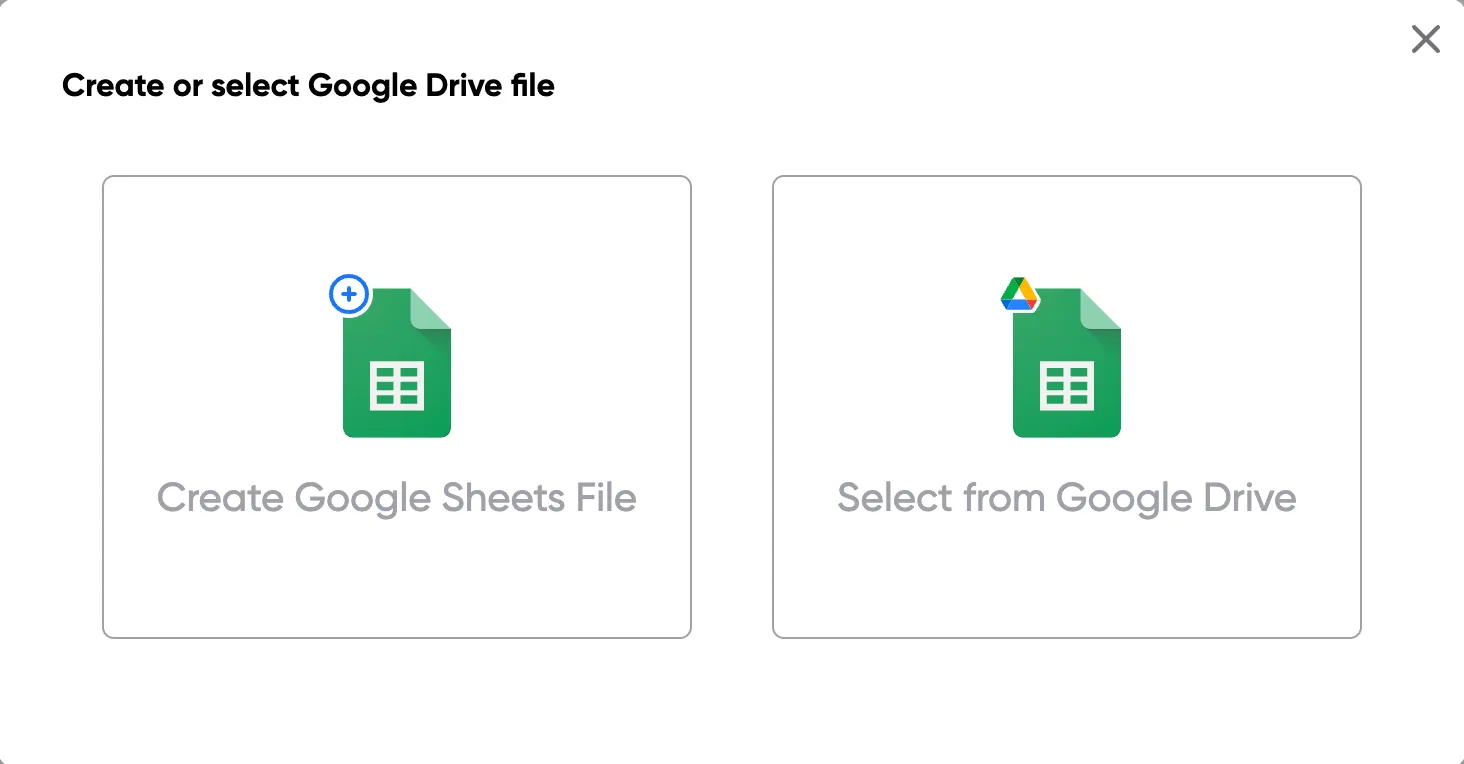
Step 1: Open a Google Sheet
Open a Google Sheet that contains the data for your invoices. This could be customer details, invoice numbers, amounts, and due dates. If you don't have one yet, create a new sheet and add your column headers.
Step 2
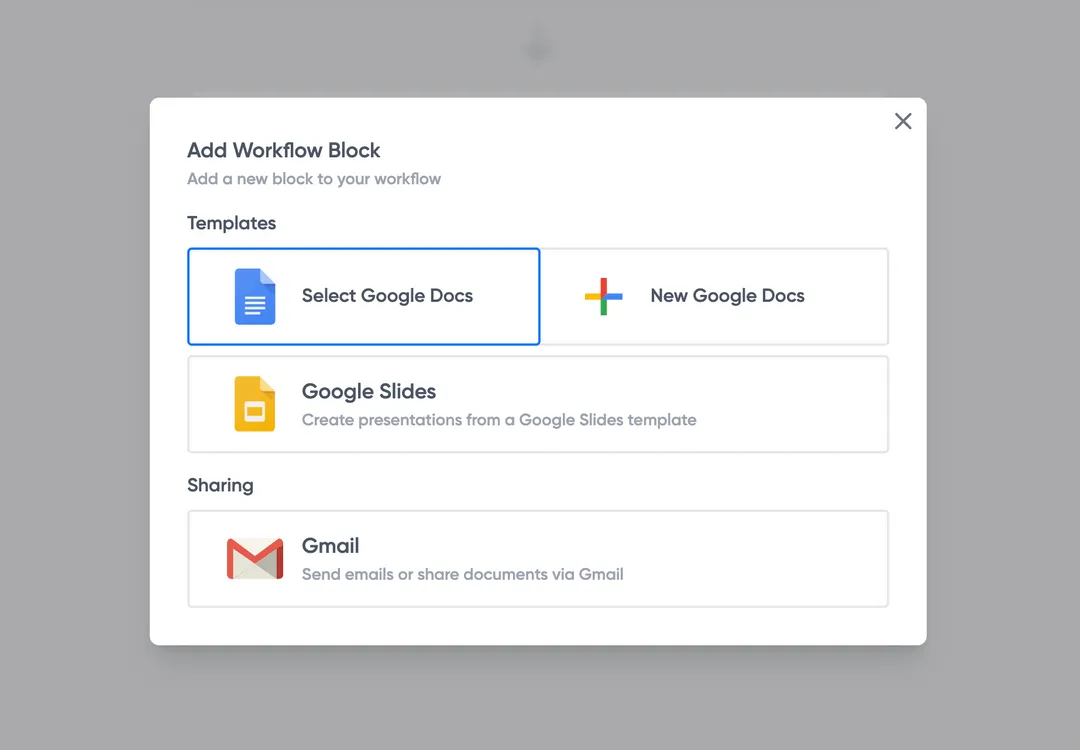
Step 2: Connect your invoice template
Open the Portant add-on from the Extensions menu and connect your Google Docs or Slides invoice template. Portant will scan the template for merge tags and map them to columns in your sheet.
Step 3
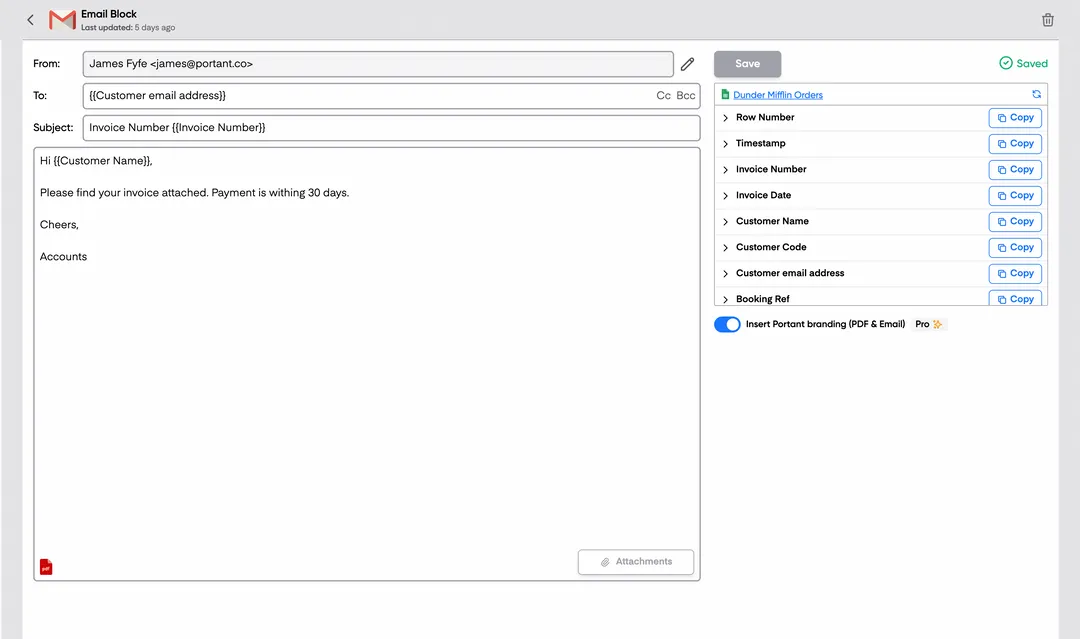
Step 3: Customize your output
Choose how you want your invoices to be delivered. You can email them directly to customers, save them as PDFs in Google Drive, or both. Customize the email subject and body with merge tags too.
Step 4
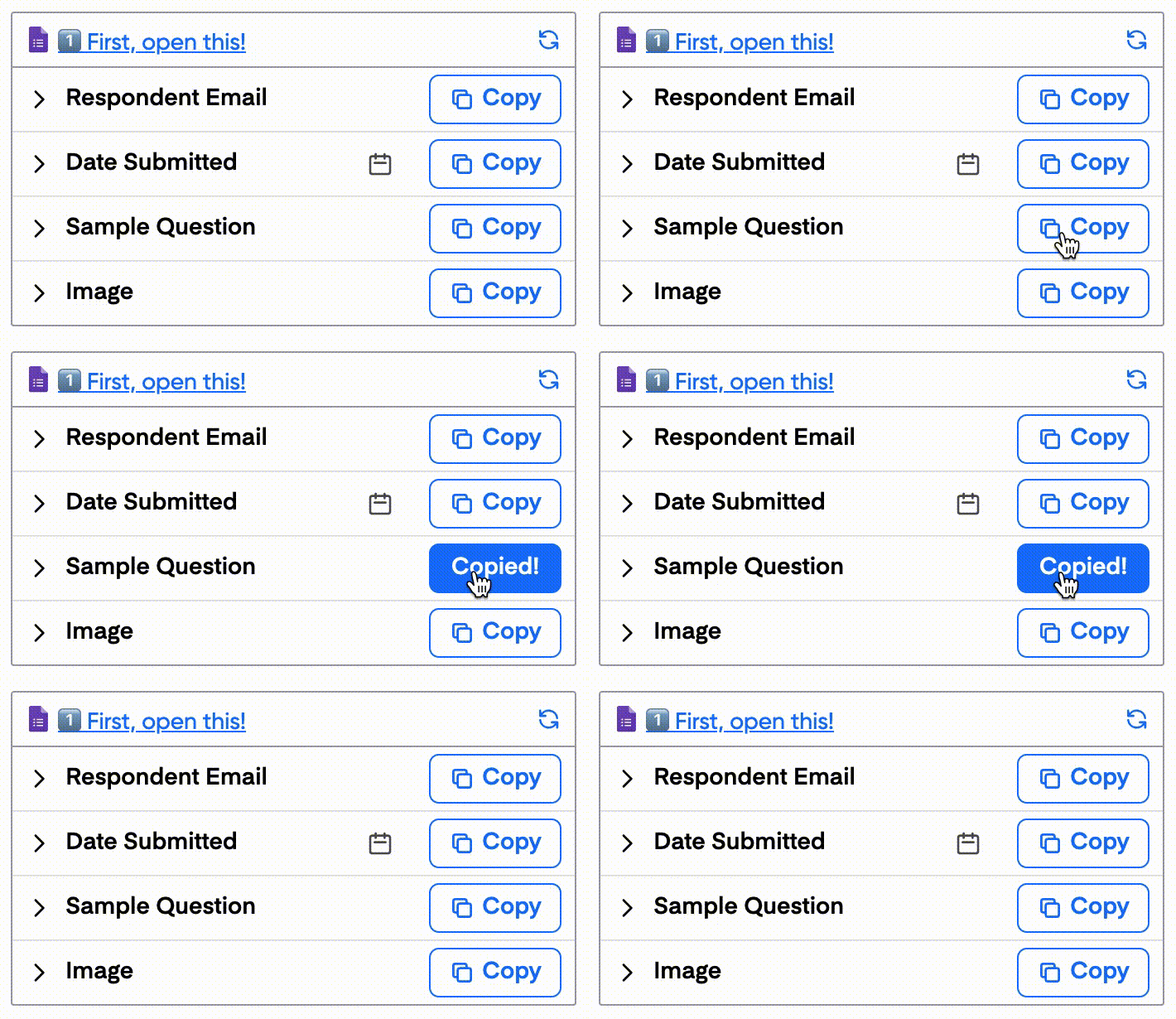
Step 4: Automate your invoices
Turn on auto-create to generate invoices every time a new row is added to your sheet. You can also run the workflow manually to process all rows at once, or schedule it to run at specific times.
Benefits of proforma invoice templates
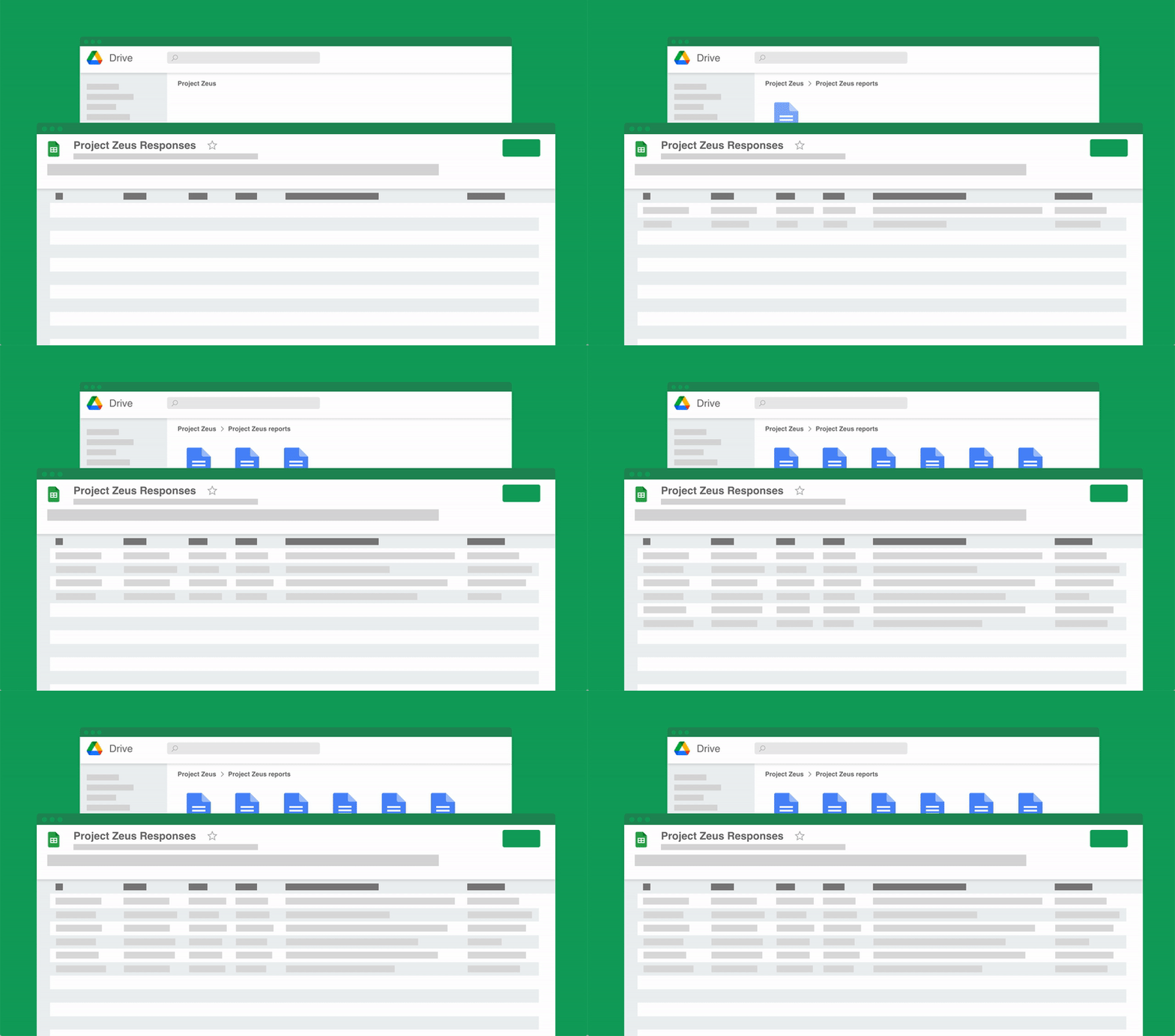
Eliminate unnecessary manual work
Stop spending hours copying and pasting data from spreadsheets into documents. Portant automates the entire process, pulling data directly from your source and generating completed documents in seconds. Focus on the work that matters, not repetitive formatting tasks.
Make your documents more accurate
Manual document creation leads to errors, from wrong names to outdated figures. Portant maps data fields directly to your template, eliminating typos and ensuring every document is accurate and consistent. Your team sends fewer corrections and your clients get the right information every time.
Built into Google Workspace
Portant works natively with Google Docs, Sheets, Slides, and Gmail. There is no new interface to learn, no data to export, and no switching between tools. Your team stays in the apps they already use while Portant handles the document generation in the background.
What teams say about Portant
“Portant has been a game-changer for Clipboard! It's saved our sales team countless hours every week by generating order forms, proposals and contracts with info from HubSpot automatically filled in.”
“This product is a gamechanger for all of those painful manual document merges. Love what you and the team have built!”
“This software brilliantly takes over the tedious process of creating and sending invoices. This not only saves time but massively reduces errors of data entry.”
“Love this product. Have been using it for over a year and the integration to Google Workspace is awesome. Lots of credit for listening to your users!”
“Truly a gamechanger! Portant streamlines these tasks and allows me to focus on the things that require my attention and problem-solving!”
“Portant has been a game-changer for Clipboard! It's saved our sales team countless hours every week by generating order forms, proposals and contracts with info from HubSpot automatically filled in.”
“This product is a gamechanger for all of those painful manual document merges. Love what you and the team have built!”
“This software brilliantly takes over the tedious process of creating and sending invoices. This not only saves time but massively reduces errors of data entry.”
“Love this product. Have been using it for over a year and the integration to Google Workspace is awesome. Lots of credit for listening to your users!”
“Truly a gamechanger! Portant streamlines these tasks and allows me to focus on the things that require my attention and problem-solving!”
Frequently asked questions
To create a proforma invoice, follow these simple steps:
- Choose a Template – Start with a ready-made template in your preferred format: Google Docs, Google Sheets, Word, Excel, or PDF. Many businesses use Google Docs or Sheets for easy sharing and customization.
- Add Your Business Details – Include your company name, address, contact info, and logo.
- Include Buyer Information – Add your customer’s name, company, address, and contact details.
- List the Products or Services – Describe each item clearly, including quantity, unit price, and total.
- Insert Proforma Details – Add the invoice number, date, expected payment terms, and validity period.
- Calculate Totals – Use formulas (if using Sheets or Excel) to calculate subtotal, taxes (if applicable), and the final total.
- Label Clearly as "Proforma Invoice" – This distinguishes it from a final tax invoice.
- Download or Share – Save it as a PDF or share directly from Google Drive.
💡 Tip: You can also use an online proforma invoice generator if you want to speed up the process.
An invoice is a formal request for payment sent after goods or services are delivered, serving as a legally binding document that confirms a sale and records the amount owed. In contrast, a pro forma invoice template is a preliminary estimate sent before the goods or services are provided, outlining the terms of a potential transaction. Unlike invoices, proforma invoices are not legally binding and are primarily used for informational purposes, helping buyers understand costs and terms before finalizing a purchase. Invoices are used in accounting records, whereas proforma invoices are not since they do not reflect completed sales.
No, a pro forma invoice is not a valid invoice. It is a preliminary document issued to provide an estimate of the goods or services to be delivered, including details like descriptions, quantities, prices, and terms. Unlike a standard invoice, a proforma invoice template is not legally binding and does not request payment. It is mainly used for informational and planning purposes to help the buyer understand the costs and terms before finalizing a purchase. Once the transaction is agreed upon, a formal invoice is issued to request payment.
Yes, pro forma invoices can include VAT to provide a complete estimate of the total cost, including taxes. Including VAT helps buyers understand the full amount they may be liable for upon finalizing the transaction. However, since a proforma invoice is not legally binding, the VAT amount is indicative and may vary in the final invoice. Whether VAT is included depends on the specific requirements of the transaction and local regulations.
A proforma invoice is typically valid for a specific period, usually ranging from 30 to 90 days, but this can vary depending on the seller's policies and industry standards. The validity period is meant to give the buyer enough time to review the terms and make a decision while also protecting the seller from fluctuations in costs or availability of goods. It’s important for both parties to confirm the expiration date, as it ensures that the quoted prices and terms remain unchanged within that timeframe. The validity period should be clearly stated on the proforma invoice.
A pro forma invoice template is typically signed by an authorized representative of the seller, such as a sales manager, accountant, or other designated employee who has the authority to issue the document. The signature serves to validate the document, indicating that the details provided are accurate and that the seller is prepared to honor the terms outlined in the proforma invoice, should the buyer choose to proceed with the transaction. However, because a proforma invoice is not a legally binding document, the signature is more a formality than a legal requirement.
A proforma invoice typically comes before a purchase order. The seller issues a pro forma invoice to provide an estimate of the goods or services, including descriptions, quantities, prices, and terms. After reviewing the proforma invoice template, the buyer sends a purchase order to confirm their intent to proceed with the purchase based on the agreed terms. This process ensures that both parties are aligned on the transaction details before moving forward.
The purpose of a proforma invoice is to provide a detailed estimate of a transaction before goods or services are delivered. It outlines descriptions, quantities, prices, and terms, helping buyers understand costs and conditions before committing to a purchase. While not legally binding, it is useful for customs, financing, and ensuring clarity between parties, especially in international trade.
Yes, Google Docs offers basic invoice templates through its built-in template gallery. You can access them by opening Google Docs, clicking on “Template gallery”, and scrolling to the “Work” section.
However, if you're looking for a proforma invoice template or something more customizable for services like recruitment, international shipping, or construction, the built-in options may be too limited.
💡 For more flexibility, try a downloadable Google Docs template specifically designed for proforma invoices, with editable fields, multiple formats (PDF, Word, Docs), and built-in formulas when used with Google Sheets.
To create a pro forma invoice, follow these steps:
- Choose a Template:
- Use software like Google Docs, Google Sheets, Microsoft Word, or Excel to find pro forma invoice templates.
- Search for specific templates such as "proforma invoice template Google Docs," "pro forma template Google Sheets," or download a "free proforma invoice template."
- Add Your Business Details:
- Include the company name, address, contact number, and email address.
- Add your company logo for branding if available.
- Include Customer Information:
- Add your client's name, address, and contact information.
- Specify the client's identification number if applicable.
- Date and Invoice Number:
- Enter the date when the pro forma invoice is created.
- Assign a unique pro forma invoice number for tracking.
- Describe the Goods or Services:
- List items or services to be provided with their descriptions.
- Include quantities, unit prices, taxes, and total amounts for each item or service.
- Include Payment Terms:
- Clearly outline the payment terms, such as due date, acceptable payment methods, and any discounts for early payments or penalties for late payments.
- Add Additional Notes:
- Optional: Include any pertinent notes, special instructions, terms, or conditions related to the transaction.
- Review and Adjust:
- Double-check all information for accuracy and completeness.
- Make any necessary adjustments to ensure clarity and that all required details are covered.
- Save and Send:
- Save the pro forma invoice in a suitable format (e.g., PDF).
- Send it to your client via email or through their preferred communication channel.
By following these steps, you can create a pro forma invoice that effectively outlines the proposed transaction and provides clarity for both you and your client.
A proforma invoice is a preliminary bill of sale sent to buyers in advance of a shipment or delivery of goods. It serves as a confirmation of the purchase and includes crucial details of the transaction. Here's what a proforma invoice typically includes:
- Description of Goods or Services: A detailed list of the items or services being provided, including quantities and specifications.
- Prices: The cost of each item or service, along with the total amount.
- Terms of Sale: Payment terms and conditions, including any applicable taxes or shipping fees.
- Buyer and Seller Information: Names, addresses, and contact information for both parties involved in the transaction.
- Date: The date the proforma invoice is issued.
- Invoice Number: A unique identifier for the proforma invoice for tracking and reference purposes.
A proforma invoice is not a true invoice and does not demand payment. Instead, it is often used for customs purposes for international trade, providing an estimation and assurance to the buyer about the cost and nature of the goods or services that they will receive. It's also used by sellers to evaluate payment terms with a buyer prior to shipment.
A proforma invoice is a preliminary document that outlines the details of a transaction to facilitate the sale or to allow the buyer to secure payment approval. It is not an actual invoice that demands payment and therefore does not require the payment of Value Added Tax (VAT). Key points to consider include:
- Proforma invoices are not considered as a demand for payment and do not serve as official accounting documents.
- VAT is charged on actual invoices, which are issued for the completed sale or service, not on proforma invoices.
- Companies may issue a proforma invoice to give buyers a clear understanding of the costs involved, but the official invoice should be used for VAT purposes.
- If a proforma invoice transitions into a commercial invoice and the sale is finalized, VAT becomes applicable at that point based on local tax laws and regulations.
- Always ensure to consult relevant tax legislation or a tax professional for specific guidance related to VAT and proforma invoices in your region, as laws can vary.
A proforma invoice is not accepted as a legitimate document for several reasons:
1. Non-binding Document: A proforma invoice is not a legally binding document. It is simply an estimate of what the actual invoice will look like and is typically used to provide a buyer with an example of the goods or services to be provided, along with the potential costs.
2. No Accounting Entry: Proforma invoices are not recorded in the seller’s accounting records as they are not considered financial transactions. They are only preliminary documents and do not reflect any actual sales or purchases made.
3. Lack of Detailed Information: While proforma invoices may outline the terms of a deal, they often do not include the complete details required for a proper transaction, such as tax information, complete banking details, or other necessary purchase or sale data.
4. Not for Tax Purposes: Because a proforma invoice is not a real invoice, it cannot be used for tax purposes. Businesses cannot claim VAT from a proforma invoice and may not use it for tax calculations or deductions.
5. No Delivery Confirmation: Proforma invoices do not confirm the delivery of goods or completion of services. They are used before goods or services are delivered to provide an idea of what the final costs will be.
6. Absence of Final Amounts: The amounts on a proforma invoice are estimates and not the final amounts due. Actual invoices may differ based on changes in quantities, costs, or delivery terms, which the proforma invoice cannot account for.
7. Customs Restrictions: In international trade, customs authorities do not accept proforma invoices for clearance of goods. They require actual commercial invoices that reflect a genuine transaction and actual terms of the trade.
These limitations make proforma invoices unsuitable for use as documents of proof of a completed transaction. They are primarily tools for sales processes and communication rather than final invoices for financial records or compliance.
Disadvantages of proforma invoices can include:
1. Non-binding Nature: Proforma invoices are not legally binding documents, which means they don't guarantee payment. As they are preliminary and used mainly for informational purposes, they may not be sufficient for financial transactions.
2. Potential for Misunderstanding: Because proforma invoices are often mistaken for final invoices, there can be confusion in communication between trading partners, leading to disputes or disagreements if expectations aren't clear.
3. Lack of Finality: Since a proforma invoice may not reflect the final price or terms, there might be changes in costs, taxes, or other elements between the proforma and the final invoice, potentially causing inconvenience.
4. Inapplicability for Customs: While proforma invoices can be used for customs valuation, they might not have all the necessary details for customs clearance, requiring the vendor to issue a final commercial invoice.
5. Limited Use in Accounting: Proforma invoices are typically not accepted by accounting systems for record-keeping or as evidence of a transaction, limiting their usefulness in financial reporting.
6. Over-reliance Risks: Relying too much on proforma invoices without ensuring final details are agreed upon and documented in a commercial invoice can lead to financial discrepancies or logistical challenges.
Customs will generally not accept a proforma invoice as a valid document for processing customs clearance. This is because a proforma invoice is essentially a preliminary bill of sale sent to buyers in advance of a shipment or delivery of goods. It outlines the products, quantities, and agreed prices for products or services provided. Here are a few reasons why customs won't accept it:
- Not a Final Document: A proforma invoice is not considered a final or official invoice, which is needed to clear goods through customs.
- Lack of Payment Confirmation: A proforma invoice doesn't provide evidence of payment, which is often required for customs processes to ensure that applicable duties or taxes have been addressed.
- Indicative, Not Binding: It is indicative in nature and may be subject to changes, making it unreliable for customs to assess the actual value of the shipment.
- Customs Declaration: Customs require a commercial invoice or other official documentation that provides definitive details, terms, and conditions which are necessary for tariff classification and valuation of the goods.
For customs clearance purposes, you will typically need a commercial invoice that provides complete and accurate documentation, including a description of the goods, the declared value, country of origin, currency used, and other relevant terms of sale.
A proforma invoice and a service invoice serve different purposes in the billing and transaction process:
- Purpose:
- Proforma Invoice: A proforma invoice is a preliminary bill of sale sent to buyers before a transaction is finalized. It serves as a commitment to provide goods or services at a specified price. It is often used to declare the value of goods for customs purposes, get payment approval, or set out expectations before the actual delivery.
- Service Invoice: A service invoice is issued by a service provider to a client after services have been rendered. It is a formal request for payment, detailing the services provided, the amount due, and any payment terms.
- Timing:
- Proforma Invoice: Issued before a sale or service delivery, a proforma invoice sets the terms of the transaction but does not demand payment.
- Service Invoice: Provided after services are completed, a service invoice documents the work done and requests payment.
- Legal Standing:
- Proforma Invoice: Not a legally binding document for accounting purposes, it doesn't replace purchase orders or service agreements.
- Service Invoice: A service invoice serves as a legal evidence of a transaction, necessary for accounting, tax records, and financial reporting.
- Content:
- Proforma Invoice: Typically includes estimated quantities, prices, delivery dates, and payment terms for goods or services offered.
- Service Invoice: Details include actual services provided, time spent, rates, total amount due, payment methods, and due date.
- Customs Use:
- Proforma Invoice: Commonly used in international trade to provide an estimated cost for customs declarations.
- Service Invoice: Not typically used for customs declarations.
Both documents are important in their specific contexts: a proforma invoice facilitates the initial agreement and clarifications before a sale, whereas a service invoice secures payment after services have been rendered.
A pro forma invoice is a document provided by a seller to a buyer before the delivery of goods or services, primarily used to provide a preliminary bill of sale. It serves several purposes, including stating the terms of sale, the goods or services provided, their prices, and other important details. Here are the main rules and elements of a pro forma invoice:
- Purpose and Usage:
- It is used for internal approval processes, including obtaining necessary import licenses or payment agreements.
- It provides the buyer with a detailed account of the goods or services that will be supplied, allowing them to prepare for payment.
- Contents of a Pro Forma Invoice:
- Date: The date when the pro forma invoice is issued.
- Seller and Buyer Information: Names, addresses, and contact information of both parties.
- Description of Goods/Services: Detailed information about the items being sold, including quality, size, and quantity.
- Pricing: Itemized listing of prices for goods or services, including any applicable discounts or taxes.
- Terms of Sale: Information on payment terms, delivery conditions, and any other sales terms applicable.
- Estimated Costs: Shipping costs, insurance, and any other potential additional charges.
- Validity: The period for which the pro forma invoice remains valid.
- Legal Non-binding Nature:
- Unlike a commercial invoice, a pro forma invoice is not legally binding and does not demand payment. It merely outlines the expected final invoice details.
- Adjustment and Finalization:
- Amendments can be made to a pro forma invoice before final terms are agreed upon, as it serves as a starting point for negotiations or adjustments.
- Compliance and Format:
- Ensure compliance with international trade laws and any specific requirements the buyer may have.
- Formats can vary, but necessary information must be clearly presented; templates are available in various formats like PDF, Word, or Excel for ease of customization.
Understanding these key points about a pro forma invoice can help businesses effectively prepare and utilize these documents to facilitate transaction processes.
People issue pro forma invoices for several important reasons:
- Clarity and Transparency: Pro forma invoices help to establish clarity and transparency between a seller and a buyer, providing a detailed list of potential costs before the final sale or service.
- Quotation and Negotiation: They are often used as a quotation tool outlining the expected costs of goods or services. This allows both parties to negotiate the terms before the final invoice is issued.
- Documentation for Approval: Companies or clients may need a pro forma invoice to seek internal approval for a purchase. It serves as formal documentation that justifies the expenses related to a proposed transaction.
- Budgeting and Planning: Businesses use pro forma invoices to plan and allocate budget for forthcoming purchases. It aids in forecasting and financial planning without committing to a purchase.
- Customs and Import/Export: In international trade, pro forma invoices are particularly useful for customs declarations where they provide an estimate of import duties and taxes before the actual shipment.
- Increase Efficiency: They streamline the business process by providing a comprehensive overview of terms and conditions, expected quantities, prices, delivery details, and other relevant information, leading to a smoother transaction once the final invoice is issued.
- Legal Record: Though not a legally binding invoice, a pro forma can serve as a formal agreement or record of the negotiations leading up to the final sale, helping to settle disputes or discrepancies later on.
- Customer Assurance: It assures buyers of the commitment from the seller's side to provide goods or services at the agreed estimate, building confidence and reducing hesitancy in purchasing decisions.
Pro forma invoices play a crucial role across various business sectors, including import/export services, construction, and consultancy, helping maintain transparent and efficient transaction processes.
Yes, an invoice is sent following a proforma invoice. Here’s how it typically works:
1. Proforma Invoice Issuance: A proforma invoice is sent before the goods or services are delivered. It outlines the details and costs associated with the transaction to give the buyer a clear understanding of what to expect.
2. Approval and Agreement: The buyer reviews the proforma invoice for accuracy and agreement. This document acts as a commitment on both sides but is not legally binding for payment.
3. Goods/Services Delivery: Once the buyer agrees to the terms presented in the proforma invoice, the seller proceeds to deliver the goods or services as detailed.
4. Final Invoice Issuance: After the delivery of goods or completion of services, a final invoice is issued. This invoice is legally binding and requires payment. It may include details from the proforma invoice but will officially request payment.
5. Payment: The buyer pays the amount stated in the final invoice, settling the transaction.
Using proforma invoices is especially common in international trade and helps streamline the payment process while providing clarity for both parties involved.
No, proforma invoices are not illegal. In fact, they are widely used across industries as a legitimate business document — especially in international trade, sales processes, and pre-invoice workflows.
A proforma invoice is not a tax invoice or demand for payment. It’s a preliminary bill that outlines the products or services being offered, their pricing, and terms — often used to confirm details before issuing a final invoice or fulfilling an order.
✅ Legal to use globally
✅ Common in B2B sales and exports
✅ Helps streamline approval and quoting processes
💡 Just make sure to clearly label the document as “Proforma Invoice” to avoid confusion with tax or commercial invoices.
Yes, it is generally okay to pay a proforma invoice under certain circumstances, but there are important considerations to keep in mind:
1. Nature of Proforma Invoices:
- A proforma invoice serves as a preliminary bill of sale. It is typically sent in advance before the actual goods or services are delivered.
- It quotes a list of the items to be delivered with their prices, allowing the buyer to know the cost in advance. However, it is not a final official invoice.
2. When to Pay a Proforma Invoice:
- Paying a proforma invoice is common in international trade, especially for new or smaller transactions where the seller requires assurance of payment before dispatching the goods or starting the service.
- It can also be used to arrange payment terms that are favorable to both parties before the transaction takes place.
3. Considerations Before Payment:
- Verification: Confirm the credibility of the seller, especially if it’s a new business relationship. Check for references or reviews to ensure reliability.
- Terms and Conditions: Review the terms thoroughly to understand delivery timelines, return policies, and what happens if the items/services aren’t delivered as expected.
- Payment Methods: Use secure and traceable payment methods to provide some protection in case of disputes.
4. Difference Between Proforma and Commercial Invoice:
- A commercial invoice is issued after the delivery of goods or services, while a proforma invoice is considered a good faith estimate.
- The commercial invoice will include all necessary details for tax and official purposes, whereas the proforma is more of a quoted prices document.
5. Alternatives to Consider:
- Request a deposit rather than full payment if you need goods/services urgently but are hesitant to pay the entire amount upfront.
- Use services like escrow, where the payment is held by a third party and released once you confirm that the goods/services are received satisfactorily.
6. Risks Involved:
- Fraud is a potential risk if due diligence is not performed since you are paying before receiving the product/service.
- If changes occur in product/service specifications, the proforma invoice would not reflect these, which may impact the transaction.
In summary, while it is common to pay a proforma invoice, especially in business-to-business (B2B) transactions or international trade, it’s crucial to take precautions to ensure a safe and legitimate transaction.
Explore related templates
Sales Invoice Template
Copy our Sales Invoice Template, automate your invoice process, and create professional invoices using customizable invoice templates.
View template Invoice templateIndependent Contractor Invoice Template
Download our Independent Contractor Invoice Template to streamline your invoicing process. Customize, save time, and ensure accurate payment terms.
View template Invoice templateRental Invoice Template
Copy our customizable Rental Invoice Template to streamline your billing process, track rent payments, and automate your invoicing for rental business.
View template Invoice templateBusiness Invoice Template
Copy our Business Invoice Template, and automate your invoice process.
View template Invoice templateCommercial Invoice Template
Copy our Commercial Invoice Template and automate your invoice process for accurate commercial value.
View template Invoice templateConsulting Invoice Template
Copy our Consulting Invoice Template and automate your consulting business invoice process with ease.
View template Invoice templateService Invoice Template
Copy our Service Invoice Template, and automate your invoice process.
View template Invoice templateFreelance Invoice Template
Copy our Freelance Invoice Template, customize it for your self employed business, and automate your sales invoice template process.
View template Invoice templateContractor Invoice Template
Copy our Contractor Invoice Template, and automate your invoice process.
View template Invoice templateConstruction Invoice Template
Use our Construction Invoice Template as a versatile contractor invoice template or construction invoice form.
View template Invoice templateGoogle Sheets Invoice Template
Connect your Google Sheet to a customizable invoice template and streamline your invoicing process effortlessly.
View template