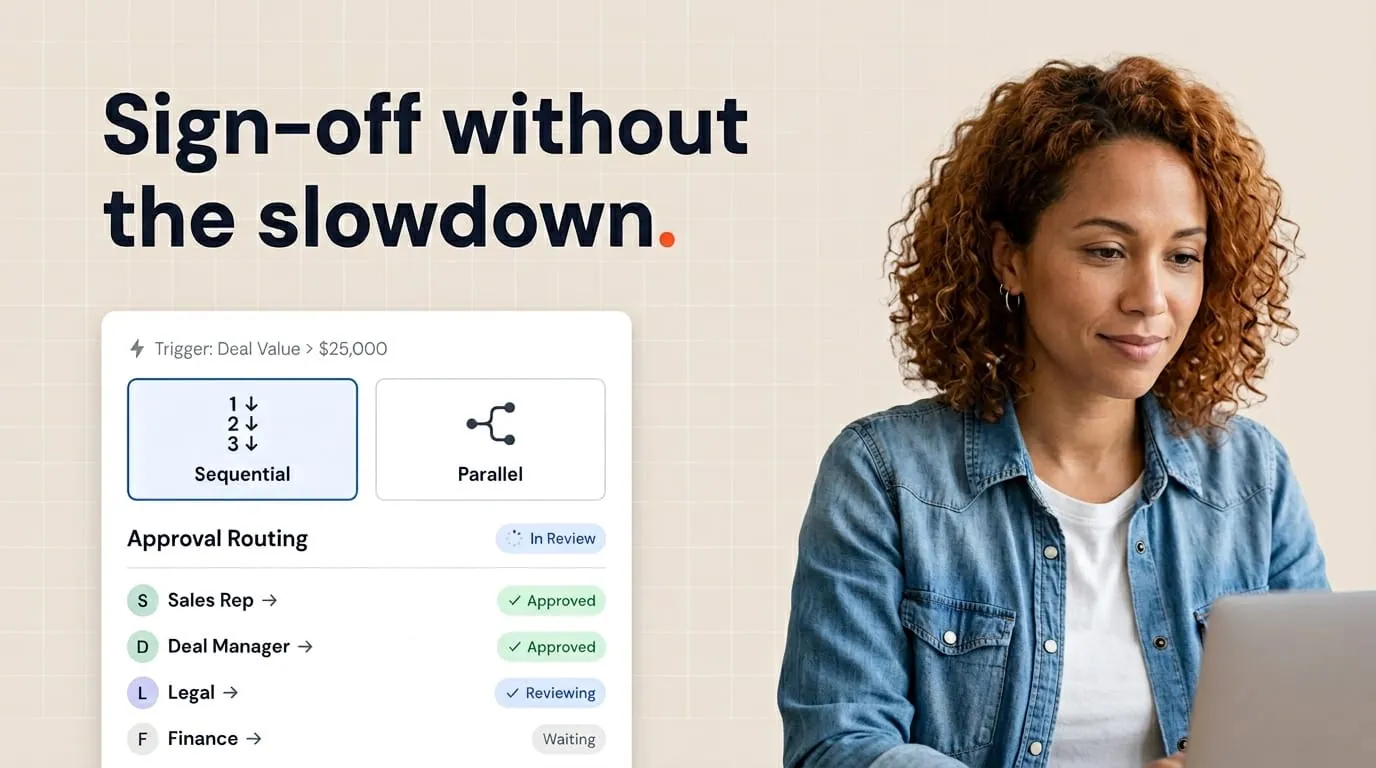


I am obsessed with removing steps nobody should be doing by hand. Sales teams do not lose deals because they lack hustle. They lose deals because proposals stall in inboxes, contracts sit half signed, and nobody can find the latest file. When I map a modern HubSpot plus Portant stack for clients, I aim for one thread from ready to revenue, with automation handling the repeat moves.
The headline number you will hear from us is real: teams report reclaiming about 125 hours per month when document assembly, routing, and follow up stop living in side channels. Your exact savings depend on volume, but the pattern is repeatable. Here is the workflow I implement most often.
The six manual steps this replaces
- Copying deal fields into a document by hand
- Rebuilding pricing tables from spreadsheets
- Emailing drafts for informal approval
- Uploading to a separate eSign tool
- Downloading the signed PDF and reattaching it somewhere
- Pinging a manager to update the deal stage
Each step is small. Together they steal evenings. Automation is not about laziness. It is about keeping talented people selling instead of clerking.
Step one: generate from the deal record
Start in HubSpot with clean properties and line items. Trigger document workflows from the deal so the template pulls live values into Google Docs, Word, Slides, or PDF. No export, no paste. If you need the philosophy behind treating this as a system, read Document automation is a GTM system, not a template hack.
Step two: route approvals with clear rules
Apply approval workflows for exceptions only. Discounts above threshold, non standard terms, or enterprise contract types. Keep the default path fast so the median deal does not wait on legal for something routine.
Step three: send for signature inside the same flow
Use eSignatures that write status back to HubSpot. Buyers get a single coherent experience. Reps stop juggling links. If contracts are your focus, pair with contract automation so the object model matches how you sell.
Step four: save documents as first class records
Every artifact should land back in the CRM as its own record with timestamps. Leadership can report on cycle time. CS can onboard without archaeology. This is the difference between "we use HubSpot" and "HubSpot tells the truth about the deal."
Step five: automate follow up without being annoying
Pair document events with sensible tasks or sequences. Nudge when a view happens but signature lags. Escalate when silence exceeds your SLA. The goal is timely, not spammy. Respect the buyer.
Step six: close the loop on the timeline
Update deal stage or properties when signature completes. Connect downstream handoffs to onboarding or billing. If you want a narrative on keeping one thread end to end, read One thread from discovery to signed contract.
What you should measure
Track hours saved, error rate on documents, time to first send, and time to signature. Pick two KPIs leadership actually reads. Prove value in thirty days, then expand template libraries. Portant supports thousands of teams with over 920,000 users because the metrics move when the workflow is whole, not patched.
Add a qualitative pulse. Ask reps on Friday whether the system made their week easier. If the answer is no, dig before you scale. Automation that feels brittle gets abandoned quietly, and then you are back to screenshots in email.
Rollout patterns by team size
Small teams. Pick one owner who knows templates and one owner who knows HubSpot properties. Ship in a week. Keep approvals lightweight until volume justifies rules.
Mid market. Run a pilot region or product line. Document the before and after metrics. Train managers first, then reps. Add a office hours slot for two weeks after launch.
Enterprise. Stage by document type and geography. Align with IT on workspace connections early. Pair with internal communications so people know why the change is happening. Celebrate quick wins on cycle time rather than waiting for a big bang quarter.
Across all sizes, the workflow is the same skeleton: generate from the deal, approve exceptions only, sign inside the flow, save back to HubSpot, follow up with context. The difference is how much ceremony you wrap around change management.
One last habit I push every client toward: name a single workflow owner who can arbitrate disputes between sales and legal. Without that role, you get endless committee tweaks. With it, you get steady improvement and reps who know where to go when something edge case hits.
Frequently asked questions
Do we need RevOps headcount to run this?
You need clear ownership, not a huge team. Many setups start with one admin and a template owner from sales.
Can we phase the rollout?
Yes. Start with quotes or proposals, add contracts next, then invoices. Each phase should finish with measured time savings.
What if we use both Google and Microsoft?
Pick one per template family to reduce confusion. Mixed estates work, but standards prevent sprawl.