

The fastest way to lose a deal is to lose the thread. Discovery lives in one doc, pricing in a spreadsheet, the proposal in someone’s Downloads folder, and the contract in an eSign tool nobody logged back to HubSpot. Everyone works hard. The system still feels broken.
I help HubSpot teams wire automation so the deal record stays the spine of the sale. When you treat HubSpot as the single place where document history, status, and next steps live, reps stop playing detective and managers stop reconstructing timelines from Slack.
For the full picture of how document generation, data merge and eSignature fit together in HubSpot, see the complete guide to document automation in HubSpot.
What “one thread” means in practice
One thread does not mean one PDF for the whole relationship. It means every customer facing artifact rolls up to the same deal, with clear sequencing, visible owners, and timestamps your leadership can trust.
Discovery outputs might be a short mutual success plan or a scoped proposal outline. Mid cycle you ship a full proposal tied to live deal properties. Late cycle you deliver a contract that matches what was already agreed. Each step should be visible on the deal timeline, not buried in personal drives.
That visibility is what makes coaching and forecasting honest. If the thread is broken, pipelines lie politely.
Design handoffs as events, not folders
I encourage teams to name handoffs the way buyers experience them: “Commercial alignment,” “Paper sent,” “Security review,” “Signature pending.” Each event should produce or update a record reps can find from the deal.
When Portant generates a document inside HubSpot, that file becomes its own object with status, views, and signature progress. That pattern beats exporting to a silo where only one rep knows the latest version.
Playbooks can reinforce the habit: moving a stage triggers a checklist task and, where appropriate, a workflow that creates the next document template with merged data. Humans still judge timing. The system removes the blank page problem.
Keep version chaos out of email
Email is a fine notification channel. It is a terrible system of record. I push teams to treat “final” files as HubSpot linked assets, with naming conventions that include deal name and date, and with permissions that do not depend on one laptop.
If legal needs a redline loop, the authoritative version still lands back on the deal when it is customer ready. Internal drafts can live in collaboration tools, but customer facing truth belongs where RevOps can report on it.
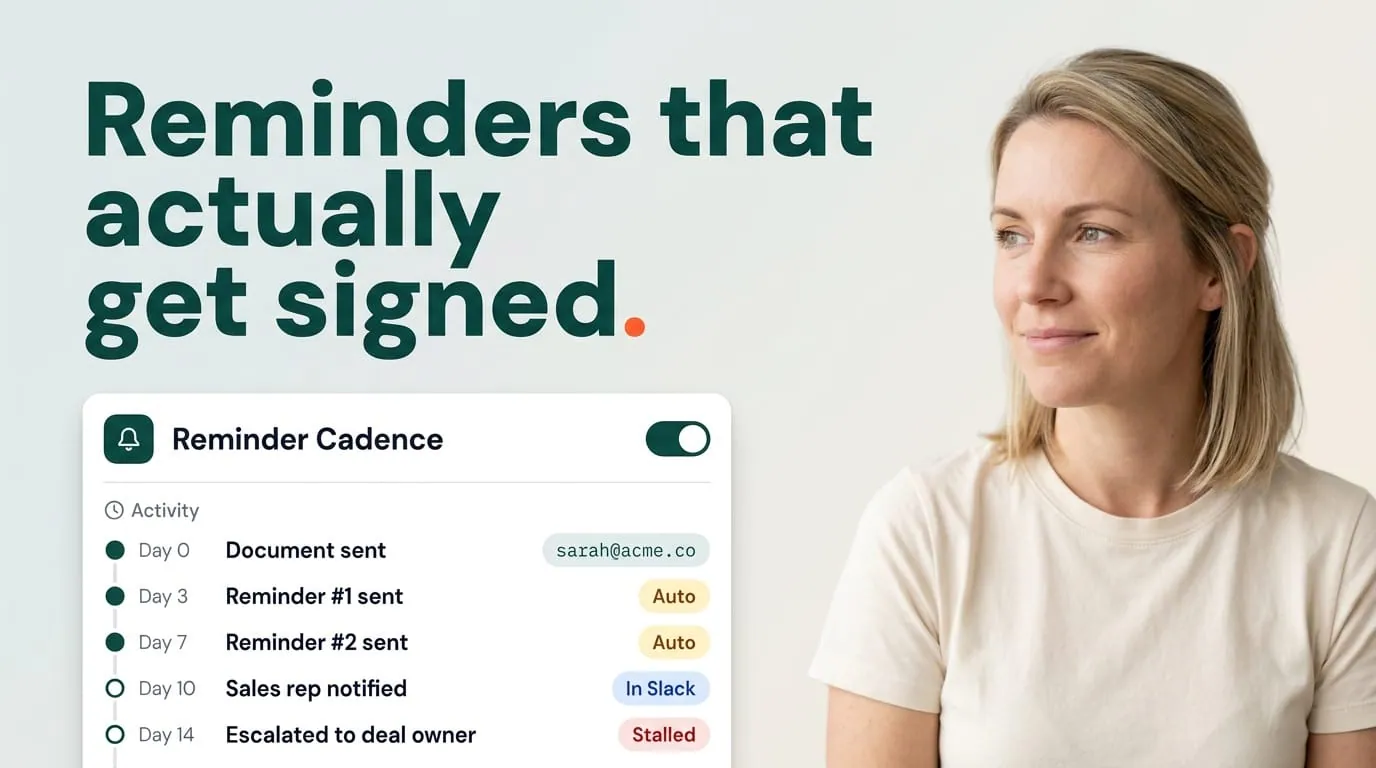
This is where built in eSignatures help. Signing status that syncs to HubSpot closes the gap between “we think they signed” and “we can prove they signed.”
Align stages with document maturity
Stages should reflect buyer commitment and paperwork maturity together. If a deal sits in a late stage but the timeline shows no contract activity, something is off. Either the stage is wrong or the document never entered the system.
I pair stage definitions with the minimum document evidence required to be there. That sounds strict, but it prevents the pipeline from looking healthier than reality.
For teams scaling across regions, I document which templates map to which stages so new hires are not guessing. Consistency is kindness for reps under quota pressure.
Automation without losing human judgment
Automation should accelerate the next responsible action, not auto send sensitive paper. I like workflows that prepare drafts, assign owners, and post internal tasks, while still requiring a human send for high stakes deals.
Portant’s workflows fit that model: generate from HubSpot data, route approvals, then deliver when the rep or manager commits. The deal stays the thread; automation removes friction around formatting and data entry.
Portant is the number one HubSpot certified document automation app, used by thousands of sales teams, with 920,000+ users and 5.1M+ documents automated. When I talk to ops leaders, the win they cite is not “faster PDFs” alone. It is finally seeing the same story on the deal that the customer sees in their inbox.
Frequently asked questions
Do we need one template for the whole cycle?
No. One thread is about linkage and sequence, not a single file. Use the right template per step, but keep every generated file associated with the deal and labeled so chronology is obvious.
How do we handle champions leaving mid deal?
Maintain contact roles on the deal, store economic buyer and legal approver explicitly, and note backup signers in properties legal has approved. The thread survives personnel change when the record is richer than one person’s inbox.
What if we sell through partners?
Create a clear property set for partner of record, resale tiers, and who sends paper. Documents should still roll up to a HubSpot deal or custom object model your leadership can report on, even when a partner delivers the file.