

I spend my days helping teams get value from Portant inside HubSpot. The product is straightforward when the foundation is clean. When the foundation is shaky, even a good workflow feels flaky. Here are five mistakes I see over and over, and what I recommend instead.
1. Skipping the messy deal test
Teams love to test with a perfect demo opportunity. Real life is missing line items, duplicate contacts, and properties that have not been filled since last year. If you only test the happy path, you will discover the gaps on the last day of the quarter.
Fix: Pick three real deals from the last month. One small, one midsize, one ugly. Run generation for each before you train the whole team. Adjust templates and required fields until all three pass. Your reps will trust the system because you already punished it.
2. Treating CRM hygiene as someone else's job
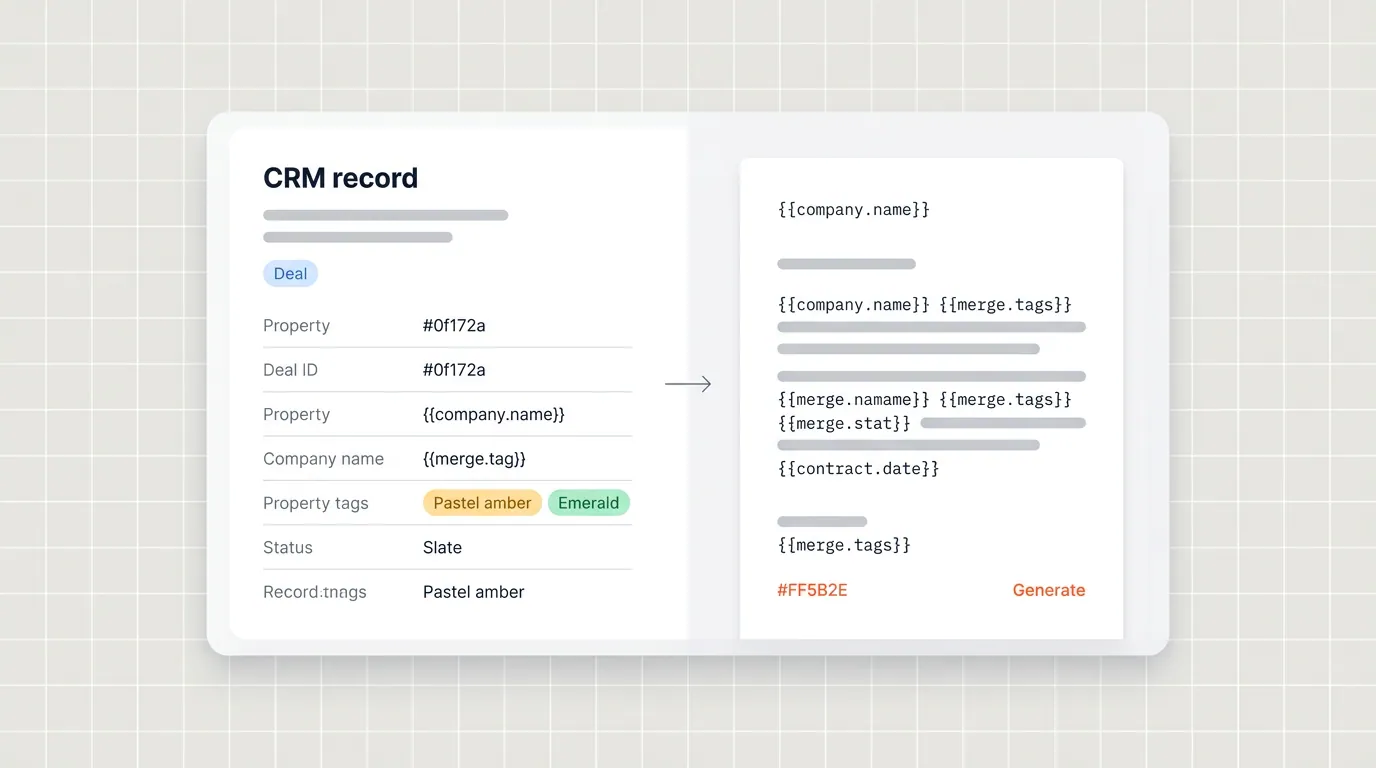
Automation copies what is in HubSpot. If deal type, billing address, or discount fields are inconsistent, your documents inherit that chaos. I am not blaming reps. I am pointing at a process gap. No merge tag can fix a blank property.
Fix: Pair with RevOps on a short list of required fields per document type. Use simple validation rules in HubSpot where possible. For a deeper take on properties, read The HubSpot properties I set up so sales documents stay accurate. Clean data is a gift to your future self.
3. Over engineering the first workflow
I love a clever branch as much as anyone. The first workflow is not the place for twelve conditions and four exception queues. Teams stall because nobody remembers why step seven exists.
Fix: Ship generate, review, send. Add approvals when you have real signers who want them. Add conditional sections when you have documented rules. Let usage teach you where complexity belongs.
4. Ignoring output naming and folder chaos
When every PDF is called “Proposal final v2,” nobody knows which file is canonical. That is how duplicate signatures and wrong attachments happen.
Fix: Use consistent naming tokens in output management: company name, deal name, date, document type. Align folders with how finance and legal search. If someone audits you six months later, the path should explain itself.
5. Launching without a one page escalation path
Even great setups hit edge cases. A new product line, a weird discount, a customer that needs an appendix. If reps do not know how to get help, they revert to manual docs and tell everyone the tool is broken.
Fix: Publish a single internal note: who to ping, what information to include, expected response time. Update it after the first month based on real tickets. My goal is not zero questions. It is fast answers so momentum returns to selling.
What good onboarding feels like
Good onboarding ends with reps saying, “That was easier than my old method.” Great onboarding ends with managers seeing fewer errors and faster time to signature. Portant supports thousands of teams and over 920,000 users because we focus on removing busywork, not adding ceremony.
If you want the end to end story, read the complete guide to document automation in HubSpot. If you are stuck on a specific step, bring your template and a messy deal to support. We have seen the movie, and we know how to get you to the credits.
Frequently asked questions
How long should setup take?
Many teams ship a first workflow in a day or two. Complex approvals and multi template libraries take longer. Scope honestly and win early.
Should we train managers first?
Yes. When managers model the workflow, reps follow. A silent launch invites workarounds.
What if we need a custom object?
We support advanced setups. Bring your object map and we will map merges and triggers with you.