
Solicita una demostración
Descubre por qué 40 000 equipos se han cambiado a Portant. En unos minutos, te mostraremos cómo transformar tus flujos de trabajo de ventas y cerrar más negocios.
Solicita una demostración
.webp)

A great software proposal helps you win more clients by clearly explaining the problem, your solution, timeline, pricing, and deliverables. This guide shows you how to write software proposals that convert in 2026, plus common mistakes to avoid and formatting tips that improve results.

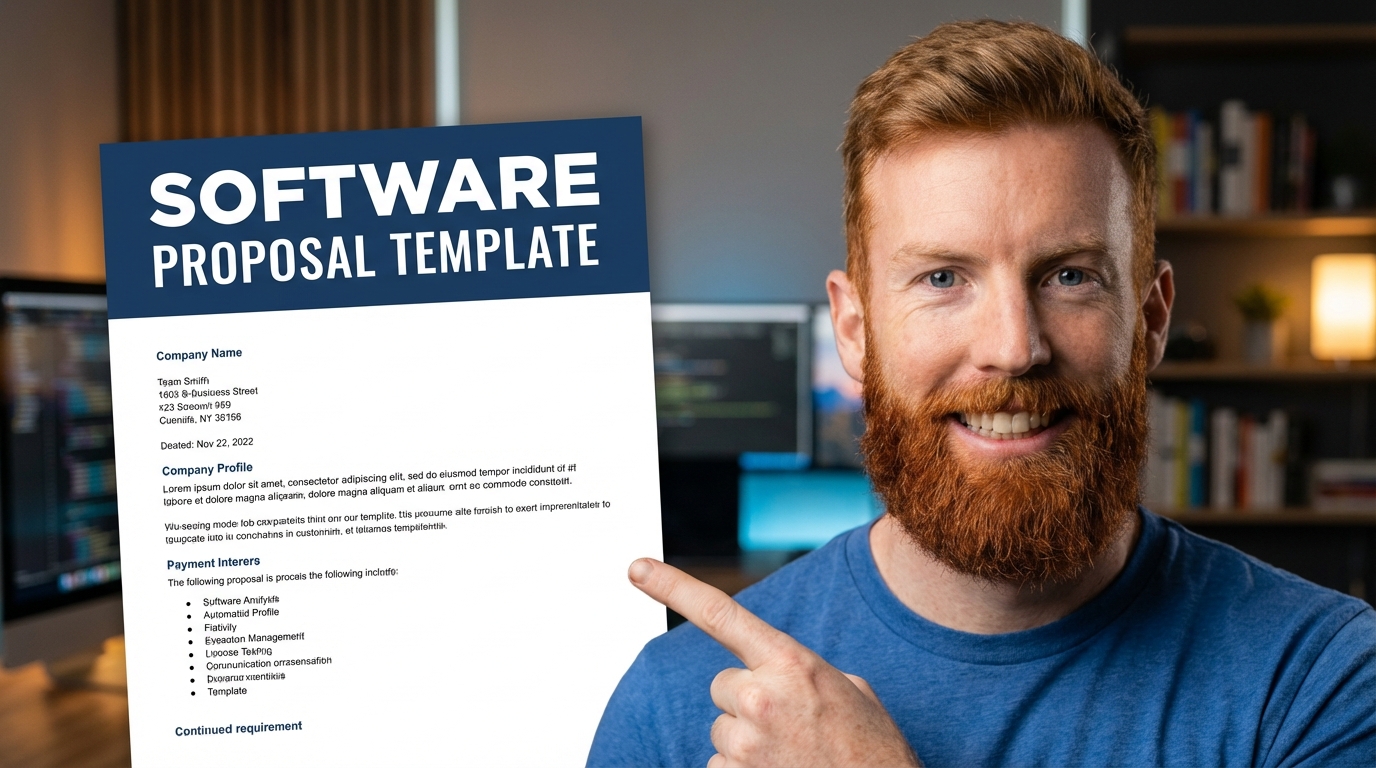

The global software market reached $658 billion in 2023 and is projected to hit $858.10 billion by 2028, creating fierce competition among software development companies vying for client contracts. A software proposal is the strategic document that separates winning vendors from also-rans, it presents your proposed solution, project scope, timeline, and pricing in a format that convinces prospective clients to choose your services over competitors. Software proposals are commonplace, especially as large companies are more likely to purchase software from a proposal than from a one-size-fits-all subscription on the company's website.
This guide covers the complete process of writing software proposals that convert, from foundational structure to advanced optimization tactics. The target audience includes software development teams, SaaS providers, and sales professionals who want to improve their proposal process and close more deals by effectively engaging the potential client. Whether you’re responding to an RFP or proactively pitching a software project, the principles here apply across engagement types and industry verticals. Enterprise software proposals cater to large companies and organizations, often requiring more customization, while SaaS proposals typically focus on selling software access with less custom work involved.
Direct answer: A software development proposal is a detailed document that bridges technical capabilities with business outcomes, it articulates the client’s problem, presents your solution, defines project objectives and key deliverables, establishes a realistic project timeline, and provides transparent pricing options that enable decision makers to give the green light. A great proposal should be detailed, brief, and results-focused.
By the end of this article, you will:
A software proposal functions as a strategic sales document that connects your technical solution to the client’s company goals and operational challenges. Unlike generic business proposals, a software development proposal must translate complex development processes into clear business value while establishing credibility through past projects and technical expertise. The document serves as both a sales tool and a preliminary project plan, giving potential clients the essential information needed to evaluate your offering against alternatives.
Enterprise software proposals target large organizations requiring complex implementations with custom integrations, detailed security specifications, and multi-phase rollouts. These proposals demand comprehensive project overviews, change management plans, and often address integration with existing software systems. The document typically spans 20-40 pages and involves multiple stakeholder reviews.
SaaS proposals focus on subscription-based software access with streamlined onboarding. The emphasis shifts toward different pricing options, feature tier comparisons, and ongoing support services. These proposals prioritize quick comprehension and often include interactive elements that let prospects explore functionality.
Custom software development proposals outline tailored application development with detailed technical specifications, architecture decisions, and development process milestones. A software developer presenting this type must balance technical depth with business accessibility, explaining how specialized hardware requirements or technology choices support project goals.
Each type serves distinct market segments and client needs, requiring adapted approaches to structure, depth, and presentation.
Software proposals carry unique characteristics that distinguish them from standard service proposals. Technical complexity requires clear communication strategies, you must explain architecture decisions, integration requirements, and data migration considerations in language that speaks directly to both technical evaluators and executive decision makers. All essential proposal information should be presented cohesively in a single document, making it easy for clients to review and sign.
Implementation timelines differ from traditional service engagements. The development process involves iterative phases, testing cycles, and deployment considerations that demand specific milestone structures. Project scope definitions must account for the inherent uncertainty in software development while setting realistic expectations.
It is crucial that the scope of work in your proposal clearly outlines deliverables, specific tasks, and out-of-scope items to prevent scope creep.
Integration requirements add another layer of complexity. Your detailed proposal must address how the proposed solution connects with existing software, data sources, and business processes within the client’s company. This technical foundation sets the stage for discussing practical components.
The ideal software proposal outline will cover sections such as a cover page, overview of problem and goals, why us, solution, implementation, case studies, pricing, and contract and signature.

A winning software development proposal starts with a deep understanding of the client’s needs. Before drafting any solution, take the time to research the client’s company, industry landscape, and specific business challenges. This means going beyond surface-level requirements, dig into their project objectives, operational pain points, and any technical obstacles that could impact the project’s success.
In this section of your proposal, clearly articulate the client’s goals and the problems they are trying to solve. Reference insights from discovery calls, stakeholder interviews, or existing documentation to show you’ve listened and understood their unique situation. Highlight any constraints, such as integration with legacy systems or specialized hardware requirements, and explain how your proposed solution is tailored to address these challenges.
By demonstrating a deep understanding of the client’s business and technical environment, your software development proposal will speak directly to their concerns. This not only builds trust but also positions your team as a strategic partner invested in their success. Make it clear that your solution is designed to overcome their specific hurdles and deliver measurable value, setting the stage for a compelling and client-focused proposal.
The project overview section offers a high-level summary of the proposed software development project, giving prospective clients a clear snapshot of what to expect. Start by outlining the project goals and objectives, ensuring they align with the client’s broader business strategy. Clearly define the project scope, including any specialized hardware or software requirements that are essential for success.
Detail the key deliverables your team will provide, such as custom features, integrations, or documentation, and map these to a realistic project timeline. Highlight important milestones and deadlines so clients can visualize the path from project kickoff to final delivery. This section should also emphasize the benefits of your proposed solution, whether it’s cost savings, improved efficiency, or enhanced functionality, demonstrating the tangible value your software will bring.
By presenting essential details in a concise, easy-to-digest format, the project overview serves as a roadmap for the entire proposal. It helps clients quickly grasp the scope and value of your solution, making it easier for decision makers to move forward with confidence.
Building on foundational understanding, let’s examine the specific sections that comprise an effective software development proposal template. Each section serves a distinct purpose while contributing to a cohesive narrative that moves prospects toward commitment.
The executive summary functions as your proposal’s gateway, busy stakeholders may read only this section before deciding whether to continue. Open by demonstrating deep understanding of the client’s specific challenges. Reference conversations from discovery calls, cite industry trends affecting their business, and articulate problems they may not have fully verbalized themselves.
Your problem statement should achieve problem-solution alignment within the first few paragraphs. A great example might reference the prospective client’s current operational bottlenecks, quantify the business impact, and preview how your software product addresses these pain points. This approach signals that you’ve invested time understanding their situation rather than submitting a generic template response.
Include a high level overview of your proposed solution and its expected outcomes. This section serves as both an orientation for readers and extractable content for internal stakeholders who need to summarize the proposal for colleagues.
The solution section details your proposed software architecture, features, and functionality, but frames everything through the lens of business benefits rather than pure technical specifications. Explain how each major capability directly impacts the company’s goals, using concrete examples where possible.
Project scope definition prevents the misunderstandings that derail engagements. Clearly specify what the software project will and won’t accomplish, list specific deliverables with acceptance criteria, and identify assumptions that could affect execution. This precision helps manage expectations and establishes professional credibility.
Address integration requirements in accessible language. If the solution connects with existing software or requires specialized hardware, explain the approach without drowning non-technical readers in jargon. Consider creating layered documentation with executive-friendly summaries and detailed technical appendices.
Present a realistic project timeline with specific milestones, dependencies between phases, and clear ownership for each deliverable. Experienced clients recognize when timelines are artificially compressed, building in appropriate buffers demonstrates maturity and reduces budgetary risks from scope changes.
Your pricing section requires transparency. Provide a detailed breakdown covering development costs, licensing fees, implementation services, and ongoing support. Many successful software proposal examples include multiple pricing options at different service levels, allowing clients to select packages aligned with their budget and requirements.
Address how scope changes impact timeline and budget. This proactive approach builds trust and demonstrates that you’ve thought through practical project realities. The relationship between these components, scope, timeline, and pricing, forms the commercial foundation that enables next steps.
A transparent and well-structured development process is key to building client confidence in your ability to deliver a successful software project. In this section, outline the methodology your team will use, whether it’s agile, waterfall, or a hybrid approach, and explain how this process supports flexibility, collaboration, and high-quality outcomes.
Break down the project timeline into clear phases, such as discovery, design, development, testing, and deployment. For each phase, specify key milestones, deliverables, and deadlines, so clients know exactly what to expect and when. Highlight the expertise of your development team, showcasing relevant skills, certifications, and experience with similar projects.
Detail your approach to testing and quality assurance, emphasizing the steps you’ll take to ensure the software meets all requirements and performs reliably in the client’s environment. By providing a comprehensive outline of your development process, you demonstrate professionalism, reduce uncertainty, and show your commitment to delivering a robust software solution on time and within budget.
With component understanding established, we turn to the systematic process of creating proposals that convert. The writing approach matters as much as the content, a compelling proposal combines substantive information with persuasive structure.
Follow this systematic approach to develop proposals efficiently while maintaining quality:
Choosing the right proposal format affects both efficiency and client experience. Consider these options:
Static PDFs remain common but limit your ability to track engagement or create memorable experiences. Interactive digital proposals allow clients to explore features, view videos, and engage with interactive elements that bring your solution to life. Automated generation tools save time by pulling client details from your CRM, though they require upfront investment in template development.
Select your format based on deal size, client sophistication, and your sales process maturity. High-value enterprise deals often warrant custom interactive proposals, while smaller engagements may not justify the additional effort.
In today’s competitive landscape, a static software development proposal may not be enough to capture a client’s attention. Incorporating interactive elements, such as explainer videos, clickable prototypes, dynamic pricing tables, and visual timelines, can transform your proposal into an engaging experience that stands out from the competition.
Interactive elements help break down complex technical information, making it more accessible and memorable for prospective clients. For example, a video walkthrough of your proposed solution can illustrate key features and workflows, while interactive pricing options allow clients to explore different service levels and see how changes affect the overall investment.
By leveraging these tools, you not only increase client engagement but also improve their understanding of your proposed solution and its benefits. This approach demonstrates your commitment to innovation and customer satisfaction, making your software development proposal more compelling and increasing your chances of project success. Ultimately, interactive proposals foster better communication, speed up decision-making, and set your software company apart as a forward-thinking partner.
Even well-intentioned proposals fail when they stumble into predictable pitfalls. Understanding these common challenges, and implementing proven solutions, significantly improves conversion rates.
Prospects immediately recognize template-driven proposals that fail to address their specific situation. The solution requires using client-specific data points, industry terminology, and explicit references to discovery conversations. Mention their company by name, reference the specific challenges they described, and demonstrate you’ve reviewed their current tools and processes. CRM integration can automate population of essential details while maintaining personalization.
Technical depth impresses evaluators but alienates executives who control budgets. Create layered explanations with accessible executive summaries and detailed technical appendices for those who want deeper information. Use analogies to explain complex software concepts, and include visual diagrams that illustrate architecture and data flows without requiring technical expertise to understand.
Overpromising destroys credibility when projects inevitably encounter technical obstacles. Build 20-30% buffer time into estimates based on your track record with similar projects. Provide tiered pricing with clear feature trade-offs, helping clients understand what’s possible within different budget constraints. This honest approach wins trust even if it occasionally costs you proposals against competitors making unrealistic promises.
Claims without evidence fall flat. Include specific metrics from similar client projects, not vague assertions but concrete numbers demonstrating results. Add relevant case studies with quantified outcomes, team credentials and certifications, and portfolio examples from the client’s industry. Success stories featuring previous clients facing similar challenges provide the most persuasive evidence.
Sending proposals into silence wastes the time spent creating them. Implement proposal software with engagement analytics that reveal which sections prospects review, how long they spend on pricing, and when they share documents with colleagues. Use automated follow-up sequences triggered by specific behaviors, and enable multi-stakeholder sharing features that involve all decision makers in the review process.
These solutions transform proposals from static documents into strategic tools that guide clients toward commitment.
Successful software proposals combine technical expertise with client-focused storytelling. The document must demonstrate deep understanding of client challenges, present solutions in business terms, and establish credibility through relevant experience and social proof. Structure matters, essential information should be accessible to busy executives while detailed specifications satisfy technical evaluators.
Take these immediate actions to improve your proposal process:
For teams ready to advance further, explore proposal automation tools that integrate with your CRM, A/B testing frameworks for optimizing specific proposal sections, and analytics platforms that reveal which elements correlate with closed deals.
Software proposal templates by industry: Healthcare proposals require HIPAA compliance sections and integration with EHR systems. Fintech proposals address regulatory requirements and security certifications. E-commerce proposals focus on payment processing, inventory integration, and scalability under peak load.
Proposal analytics and CRM tools: Platforms like PandaDoc, Proposify, and Qwilr offer engagement tracking, template management, and electronic signature capabilities that streamline the proposal process.
Industry benchmarks: Average proposal-to-close rates for software services range from 15-25%, with top performers achieving 35%+ through systematic optimization of content, timing, and follow-up sequences.
Descubre por qué 40 000 equipos se han cambiado a Portant. En unos minutos, te mostraremos cómo transformar tus flujos de trabajo de ventas y cerrar más negocios.


